Experimental Prototypes
These are solo prototypes focused on mechanics, systems, and interaction design rather than production polish.
They’re built quickly and intentionally rough, with an emphasis on learning, iteration, and experimentation.
Animal Crossing VOICE SYNTH PROTOTYPE
Inspired by Animal Crossing: New Horizons, I wanted to recreate that expressive, almost speech like dialogue style using my own voice instead of traditional text to speech.
I recorded 16 simple syllables like “ah,” “oh,” “uu,” and “do,” then treated them as modular building blocks. Each sound is dynamically mapped to pitch and tone so it can shift with emotion and pacing.
To avoid randomness, I added a per word variable layer. Every word carries modulation data that controls cadence, emphasis, and timing. That lets the audio track the rhythm of the text word for word while staying stylized.
The result is a lightweight procedural voice system focused on personality over realism. The video shows the prototype responding to text in real time.
SOCIAL STEALTH PROTOTYPE
I finished Assassin’s Creed and went down a stealth rabbit hole. What stuck with me was the idea of social disguise. You are not just hiding behind walls. You are blending into the world.
I built a small 2D prototype around that idea. Instead of killing enemies, you can possess them. Once inside their body, you use their identity to move through restricted spaces without raising suspicion.
It became less about timing and more about reading the room. Who you are changes how the world reacts.
Idle Adventure
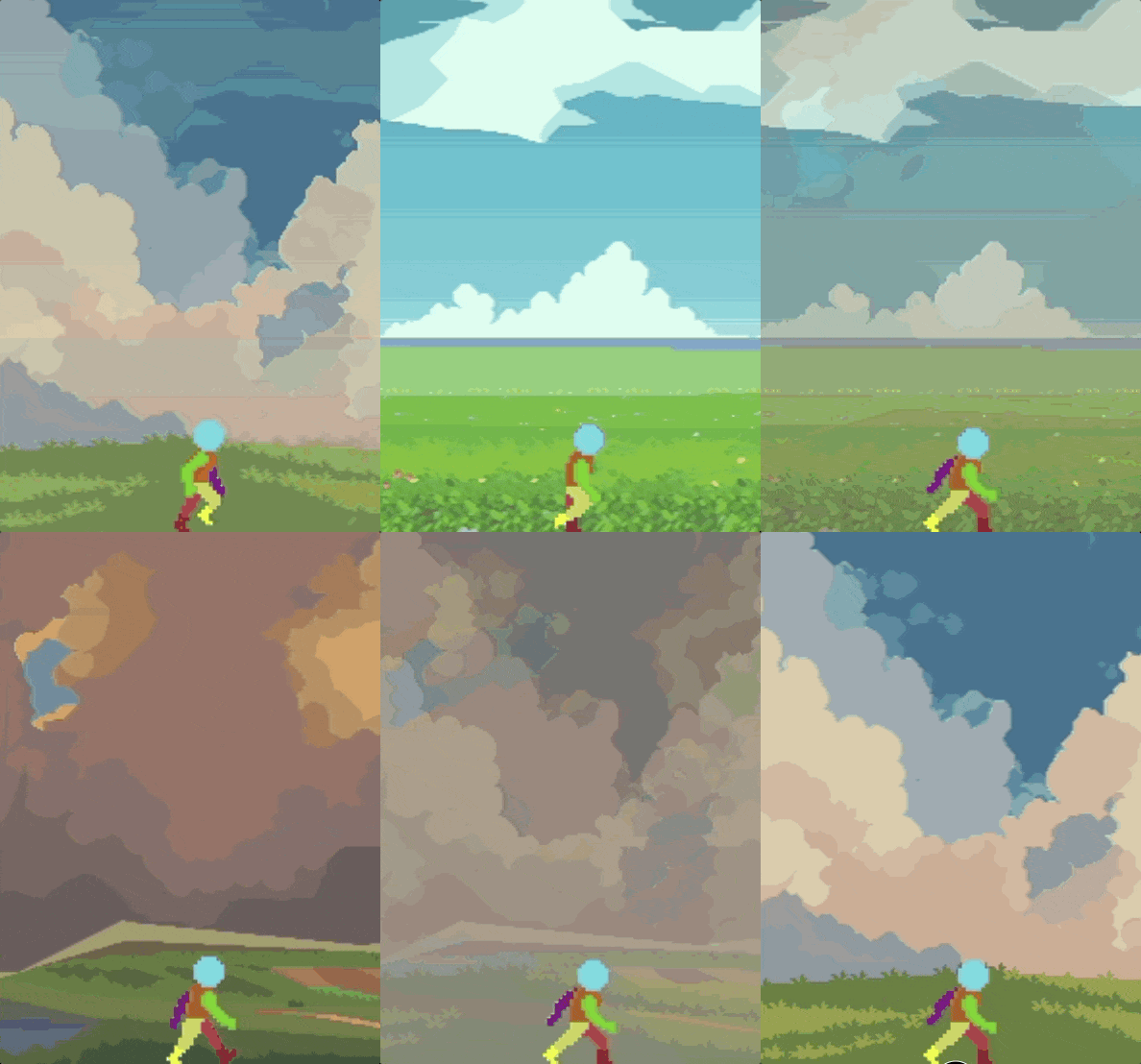
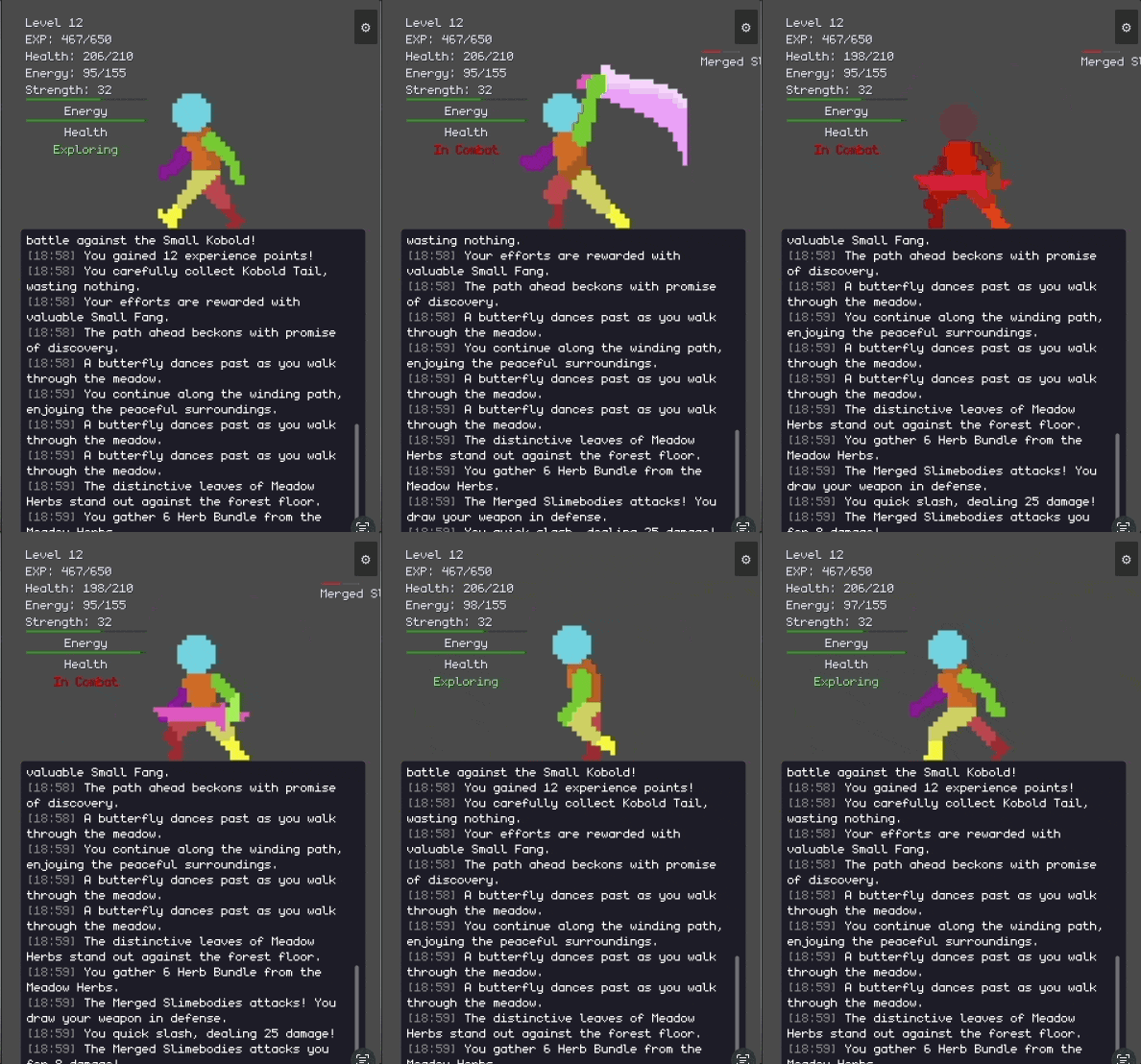
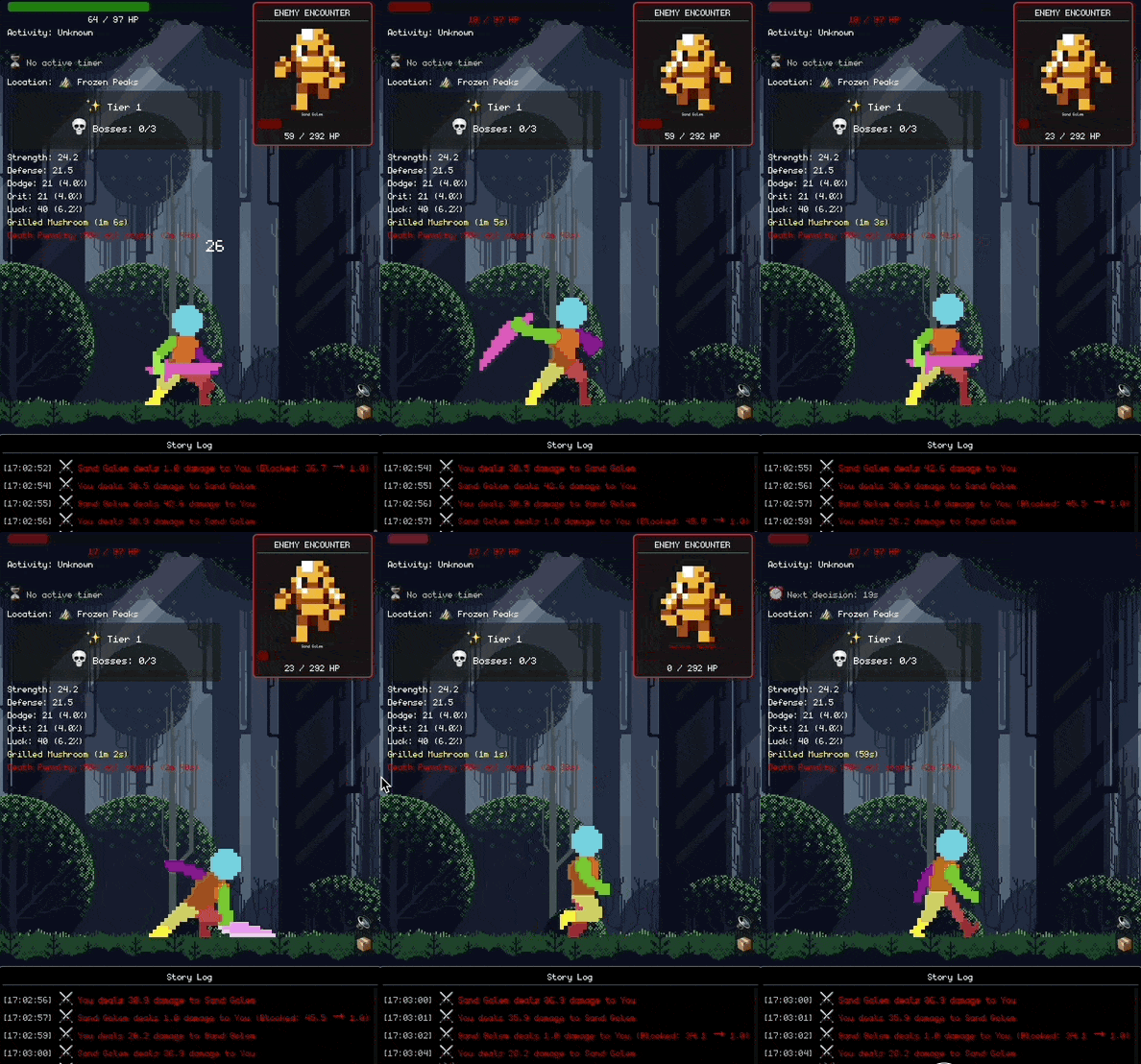
I built this as an idle adventure game, something you can leave running and check in on whenever you feel like it. The main goal was to explore how to create an automated game loop that feels calm, atmospheric, and alive without needing a lot of direct player input.
The character handles everything on their own: exploring areas, gathering resources, fighting, cooking, camping, and moving through different biomes. You can step in and make small choices that give slight benefits, but the game mostly plays itself. It’s meant to feel relaxed, not demanding.
ClipsNote.app
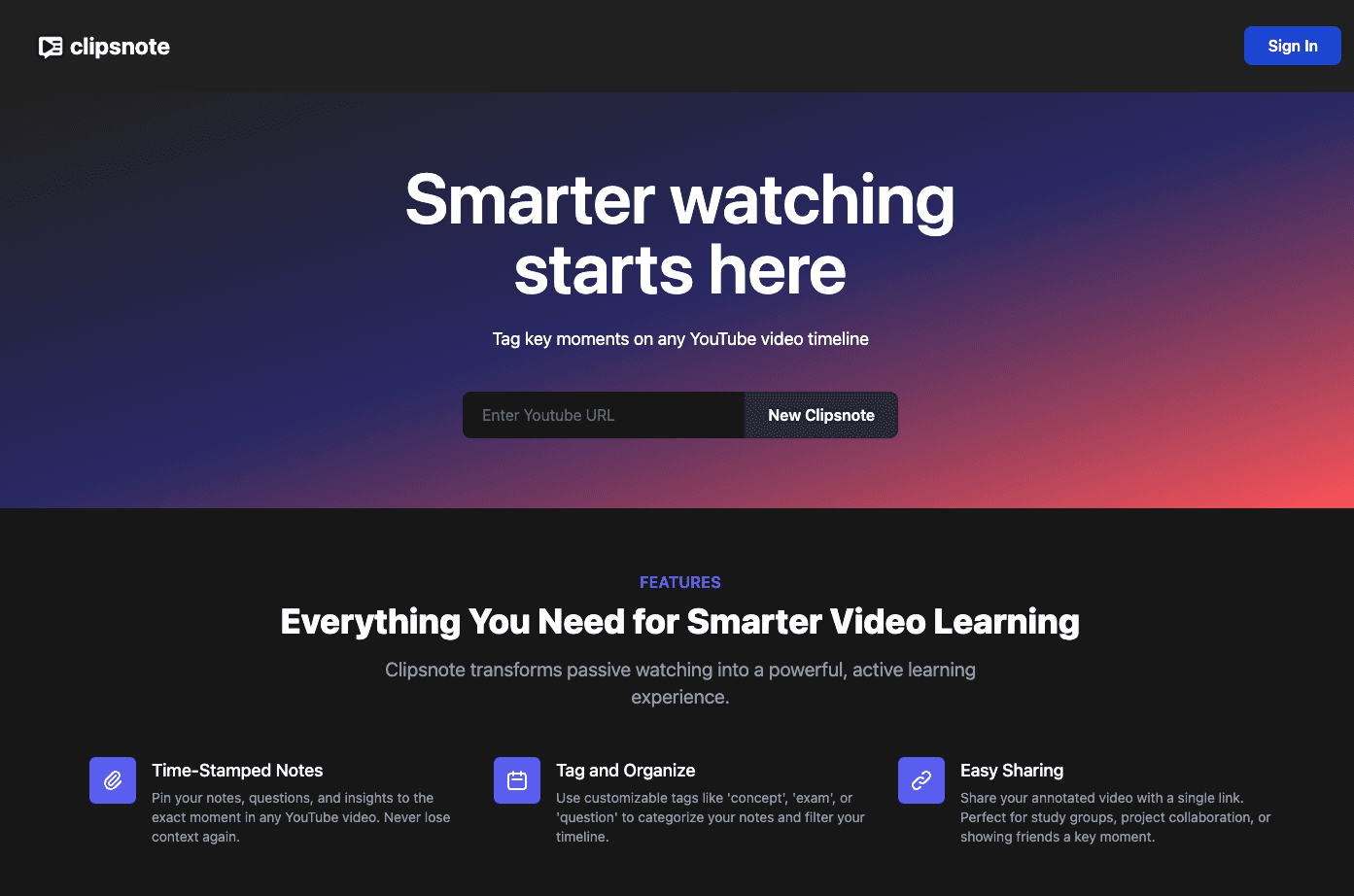
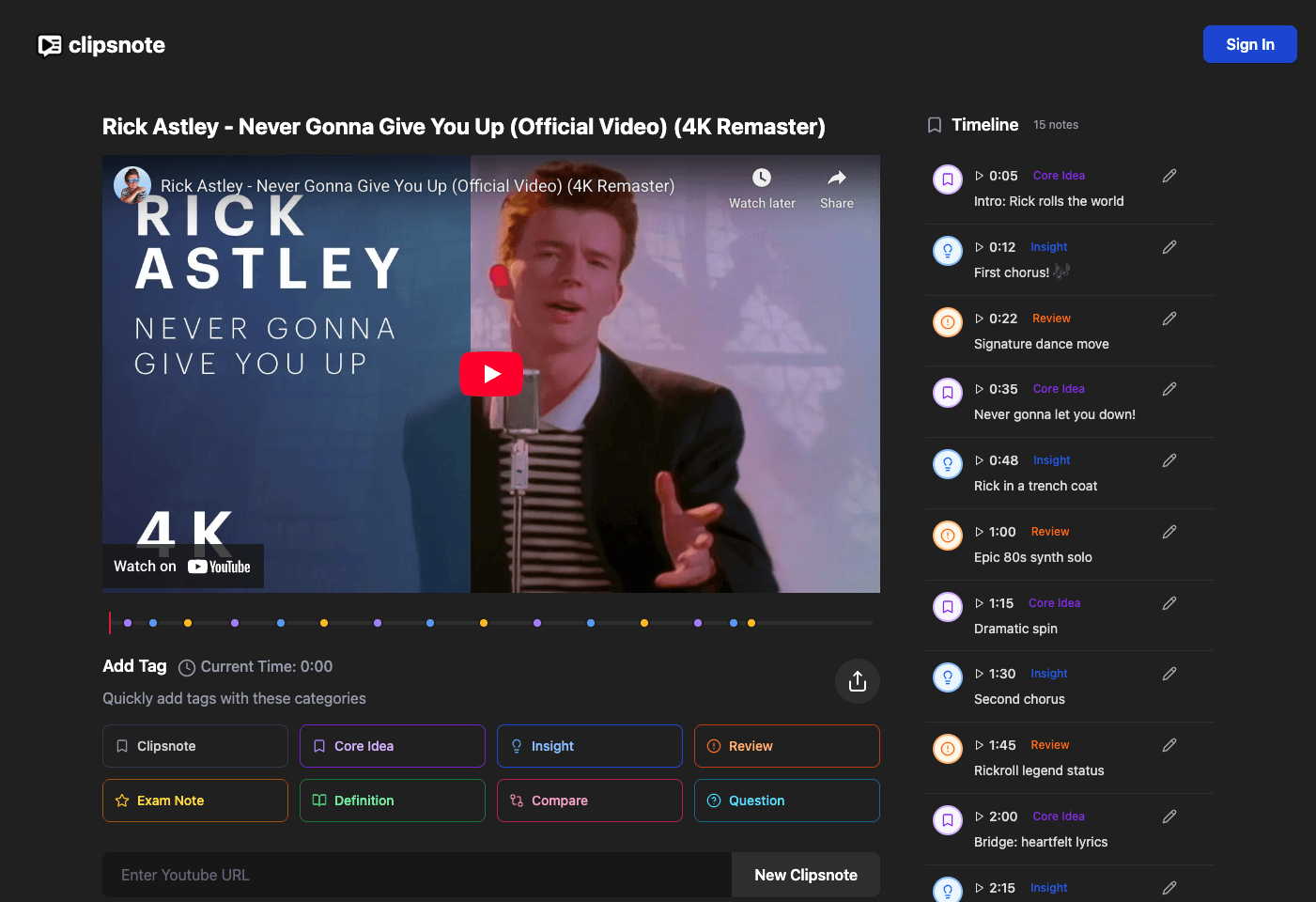
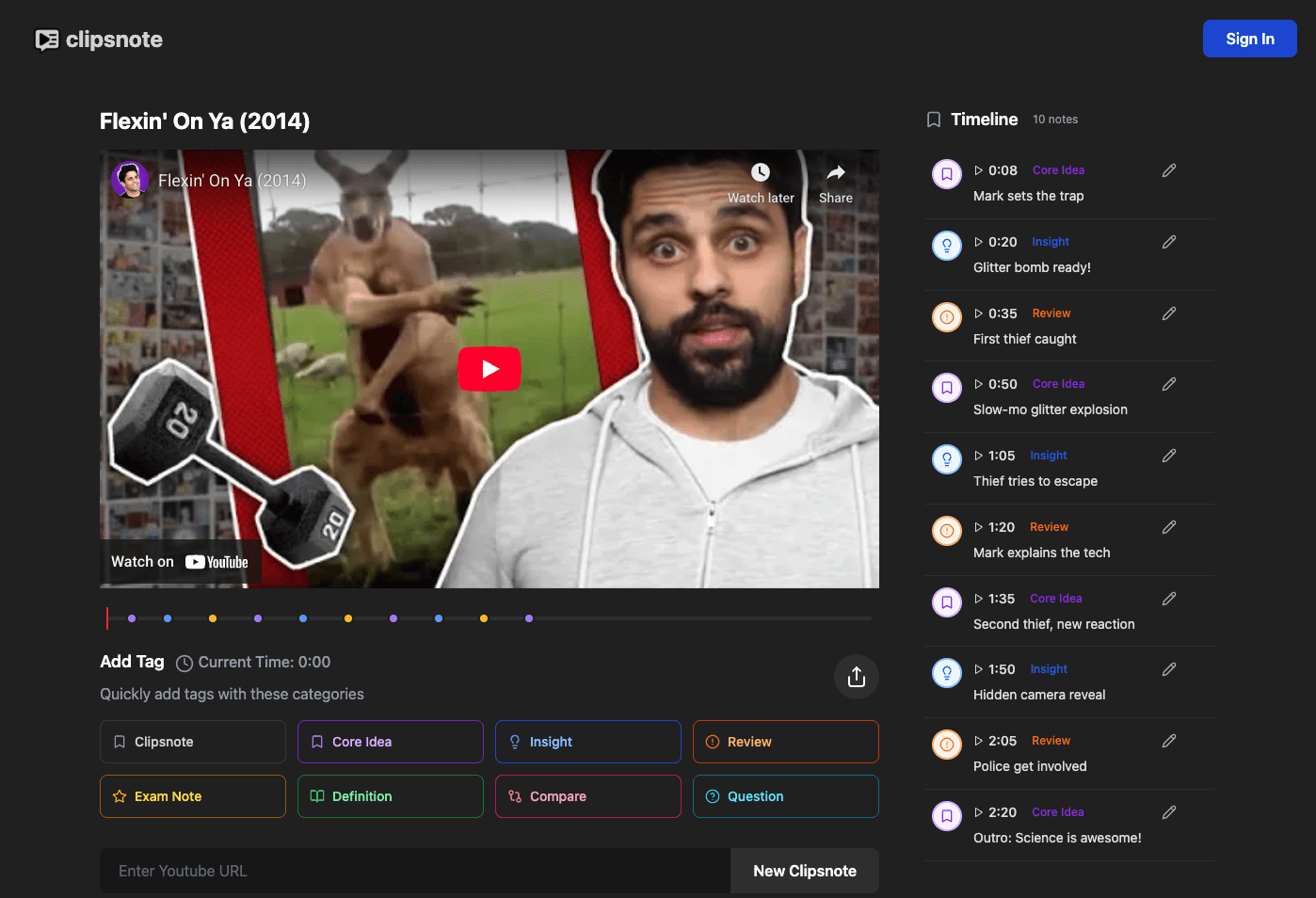
Clipsnote is a simple tool I built over two weekends to take timestamped notes on YouTube videos. I wanted an easier way to save key moments while learning, without juggling multiple tabs or losing track of ideas.
Overview
I shared early versions with college study groups subreddits, and it sees 10–50 weekly active users.
What It Does
Quick timestamped notes
Simple timeline view
Color tags
Cloud saving
Impact
10–50 weekly users
Stack
Tailwind, Supabase, YouTube Player API, Vercel
What’s Next
Cleaner mobile experience
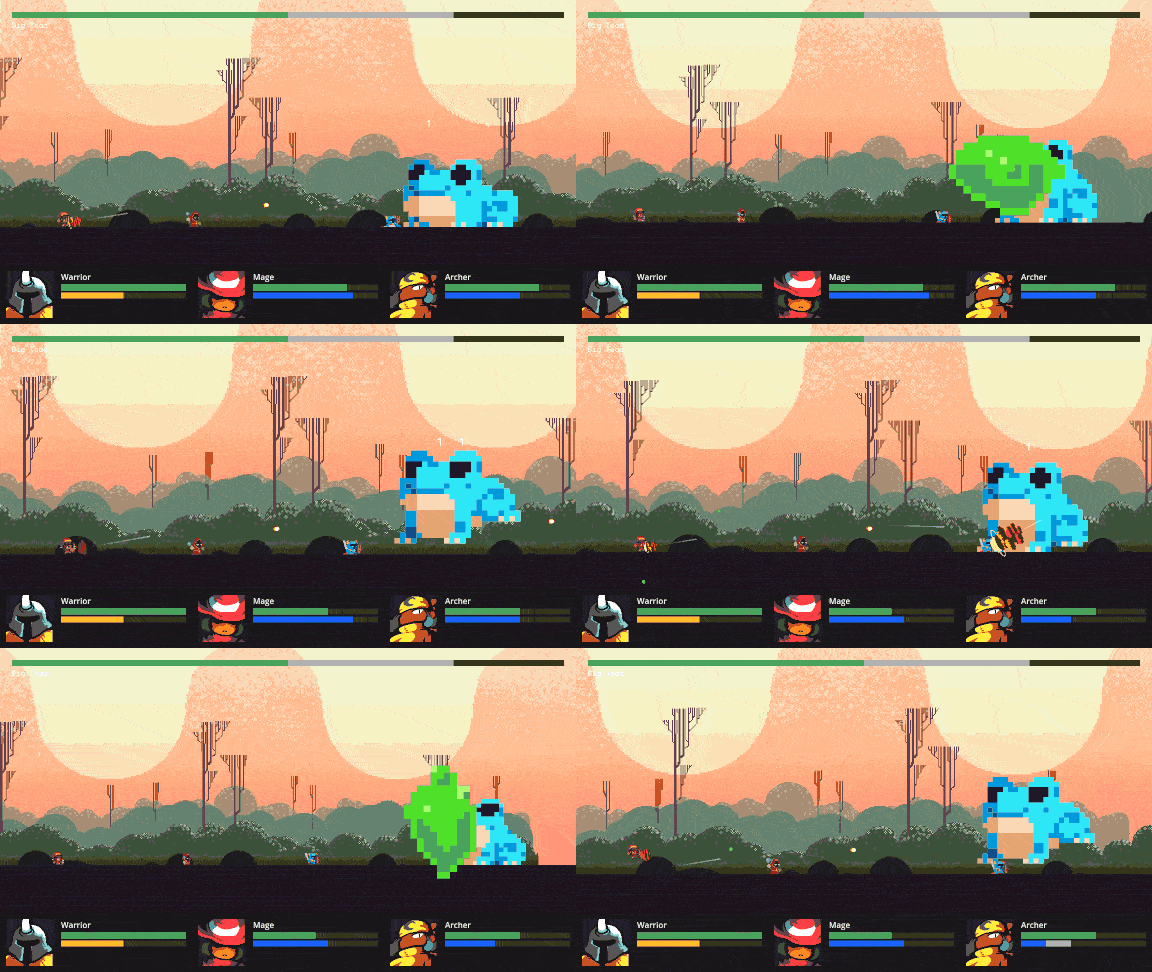
Ai autobattle
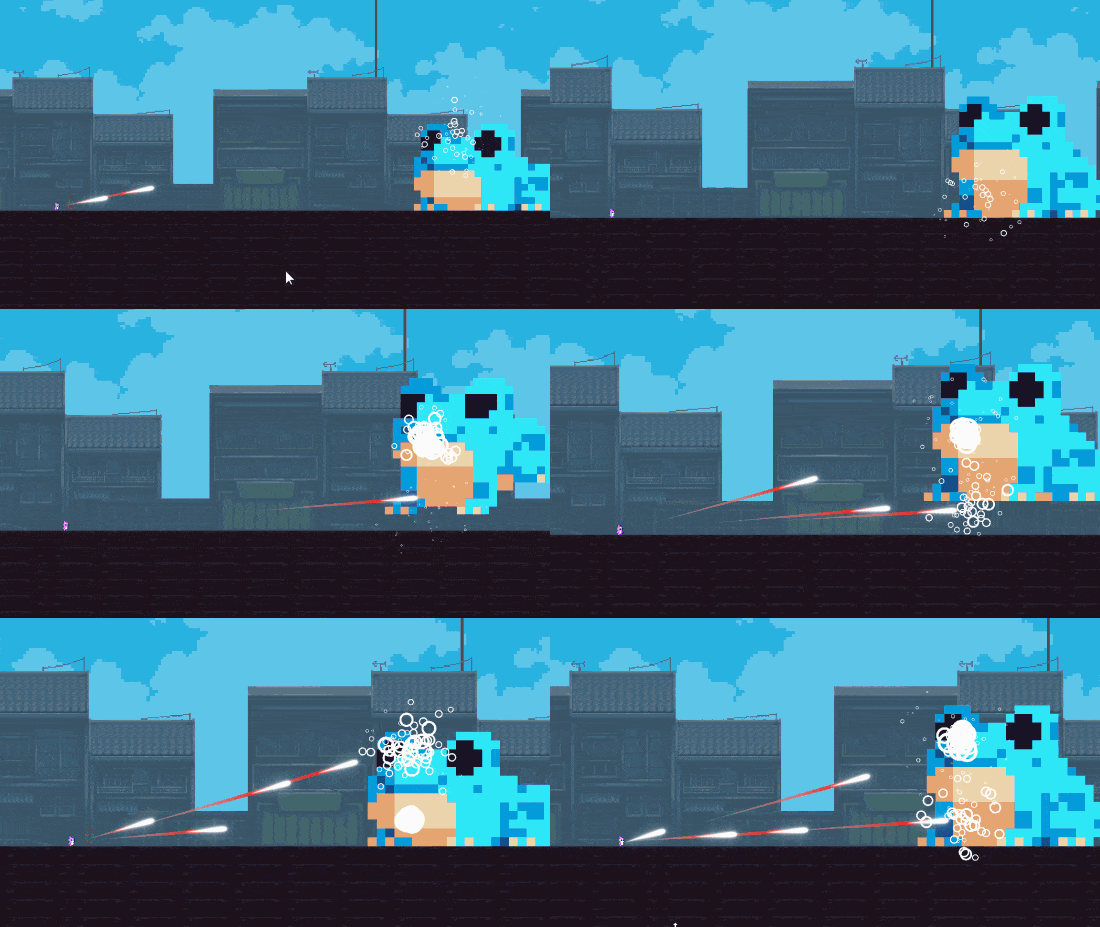
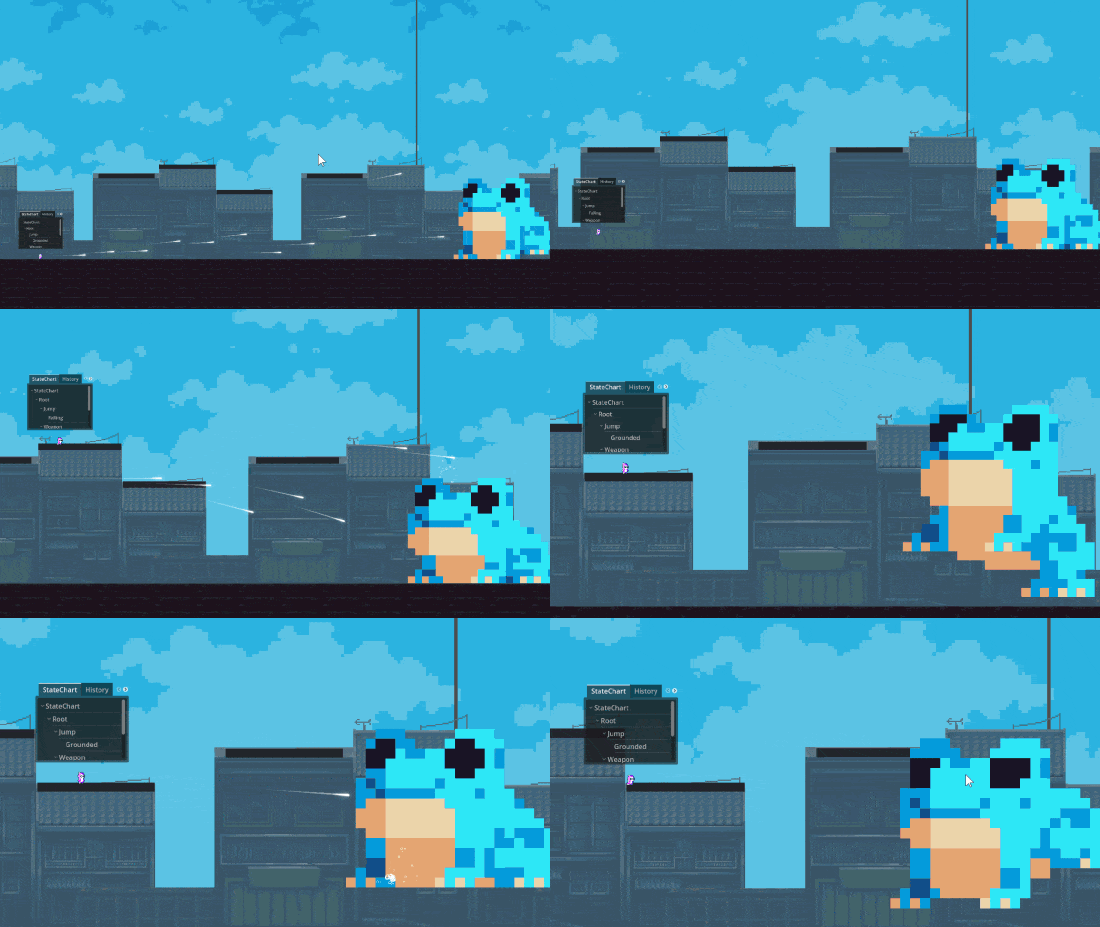
This was a small Godot project where I taught myself how to build basic game AI. I started with simple state machines and then moved into a decision-tree setup to see how far I could push automated behavior.
By the end, I had a few different character AIs plus a boss AI, all fighting each other with their own logic paths. The whole point was to learn how game AI works under the hood

Mystery Mansion
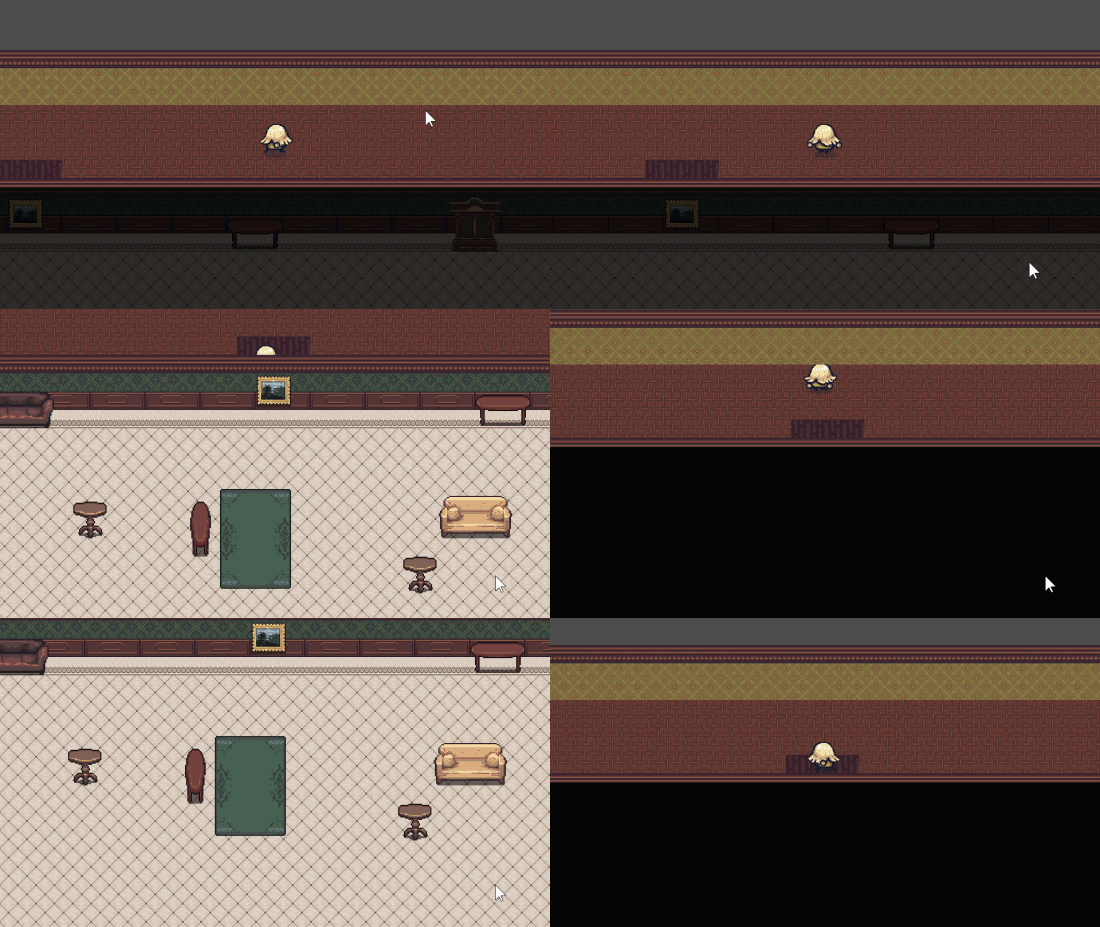
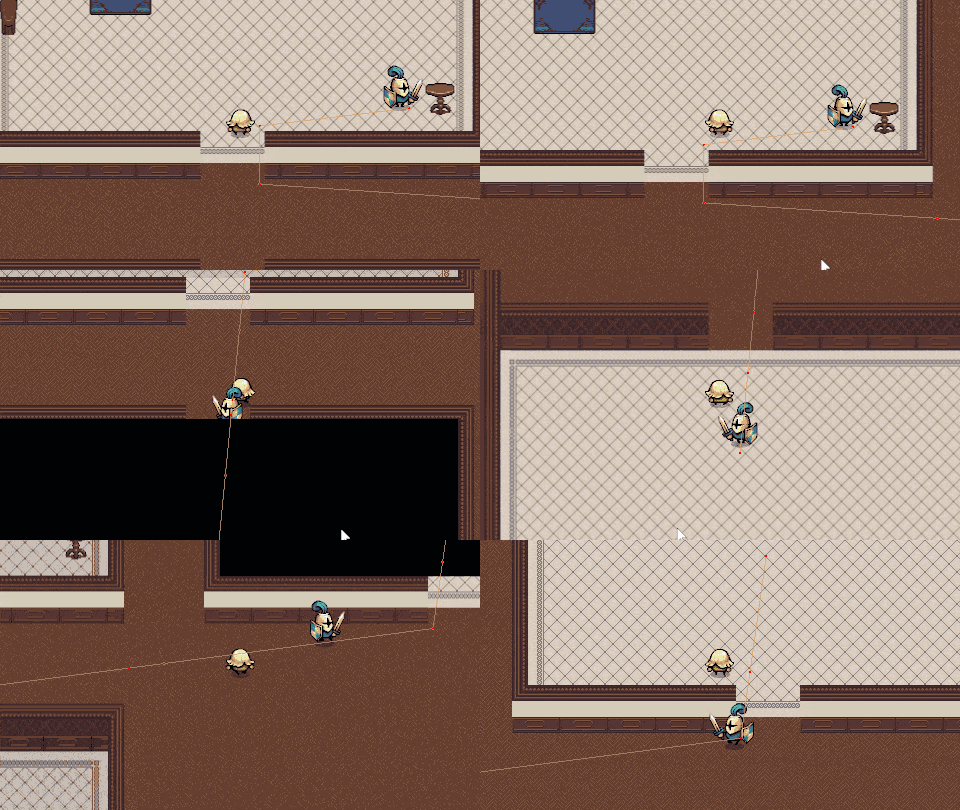
This was a Godot project I used to learn how pathfinding and game systems work. It started as a simple test to build a dialogue system and then grew as I got curious, things like A* pathfinding, day/night cycles, and basic camera controls. It wasn’t meant to become a full game; it was just a sandbox for learning and seeing how these systems fit together.



The Thief, The Chests, The rewards
This was one of my first Godot projects. The whole goal was to learn how item interactions work in a game. I built a small setup with different types of chests, keys, and rewards, and experimented with how a player could open or unlock them.
Most of the work was figuring out basic interaction logic: detecting when the player is close enough, checking requirements (like having a key), spawning items, and making sure everything reset or saved correctly. It was simple, but it taught me the fundamentals. Signals, collisions, state, and basic inventory handling.