Roblox
Roblox Connect: Private voice communication for the Roblox ecosystem
In 2022 Roblox saw massive growth and a clear need for native, private communication. Users wanted meaningful real-time conversations inside Roblox, and developers needed tools to bring presence into their own experiences. Roblox Connect became the foundation for private calling across the platform.
ROLE
Principal Designer
Team
Product manager
Eng manager
6 Senior engineers
UXR
Timeline
Jan 2023 - Nov 2023
Tools
Figma, Roblox Studio, Internal prototyping tools, Internal build testing tools
The Problem
Roblox had no native private voice communication system. Users relied on external tools, which broke immersion, fractured social presence, and weakened co-play. This gap threatened both user retention and our ability to compete with platforms that offered seamless built-in communication. We needed a private communication solution that supported real relationships and strengthened time spent on Roblox.
The Discovery
Lasagna uncovers social gap
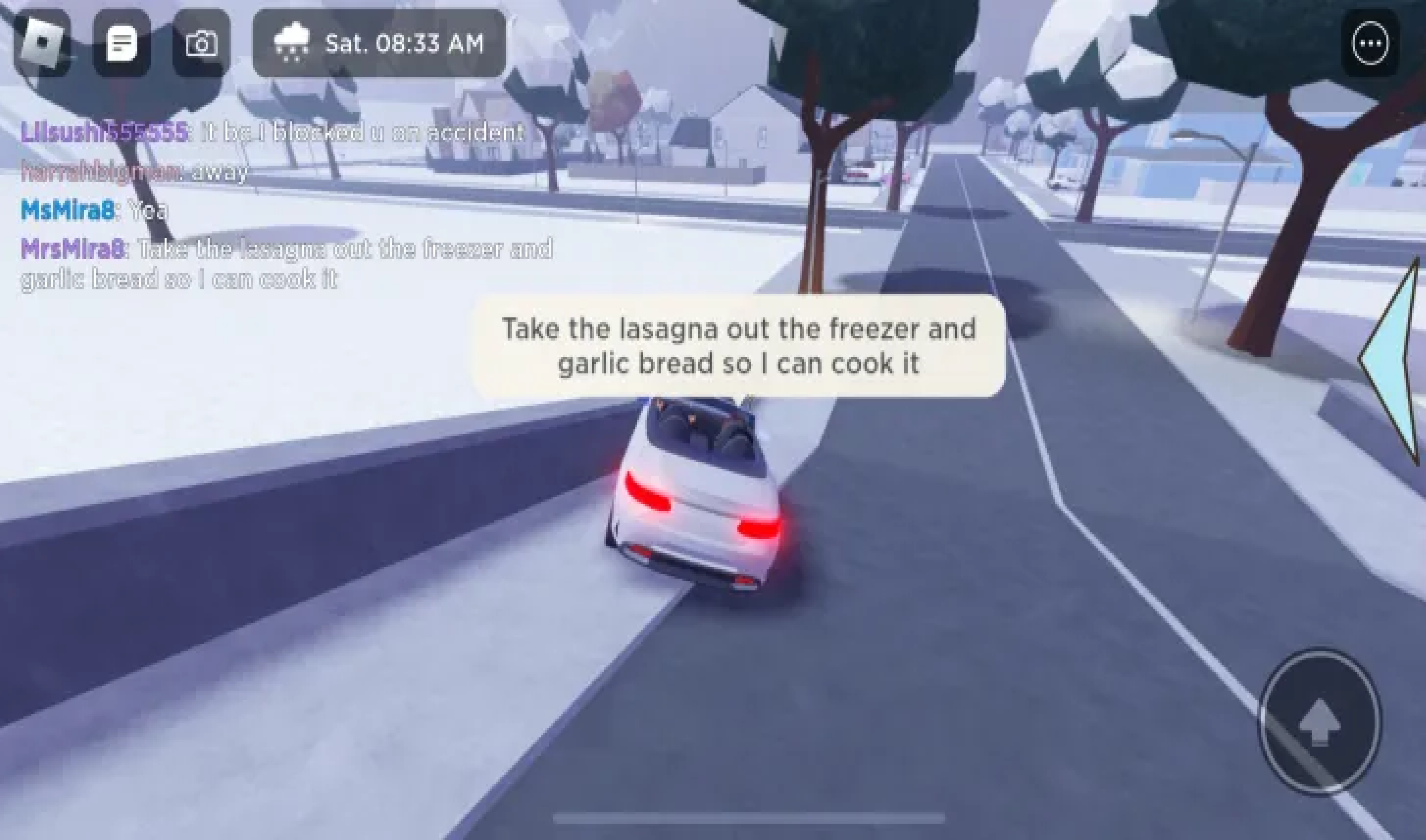
A story about a Chicago mom using Roblox to remind her daughter to take lasagna out of the freezer went viral. Externally it was charming. Internally it exposed a real problem. Users were forcing the platform to fill communication gaps it wasn’t designed for.
This moment accelerated a broader shift inside Roblox. Social communication became a strategic priority because leadership recognized that deeper, real-world relationships translated into stronger co-play, higher engagement, and long-term loyalty. If users depended on third-party tools to stay connected, Roblox would fail at the very thing it was built for. We needed meaningful, private communication inside the ecosystem itself.
The Framework
I learned quickly that the only way to move this work forward was to anchor everything in principles. I aligned early with my immediate team on a shared set of design and product principles, and these became my filter for every decision. They also made it easier to walk leadership through my reasoning and connect it to the UXR data we collected. Once everyone agreed on the principles, the path became clear.
Principles
Extensibility over Rigidity.
Prioritize a flexible system that can adapt with user needs, rather than a rigid one-size-fits-all approach.
Expressive over Realistic.
Allow users to express their personalities and emotions through avatars, rather than a hyper-realistic representations.
Delightful over Utilitarian.
Provide an enjoyable experience making interactions fun and memorable, rather than solely functional.
Research approach
Before we ran any studies of our own, I pulled from existing research on voice communication products. There are many established players, so we used that as a baseline for common behaviors, expectations, and gaps.
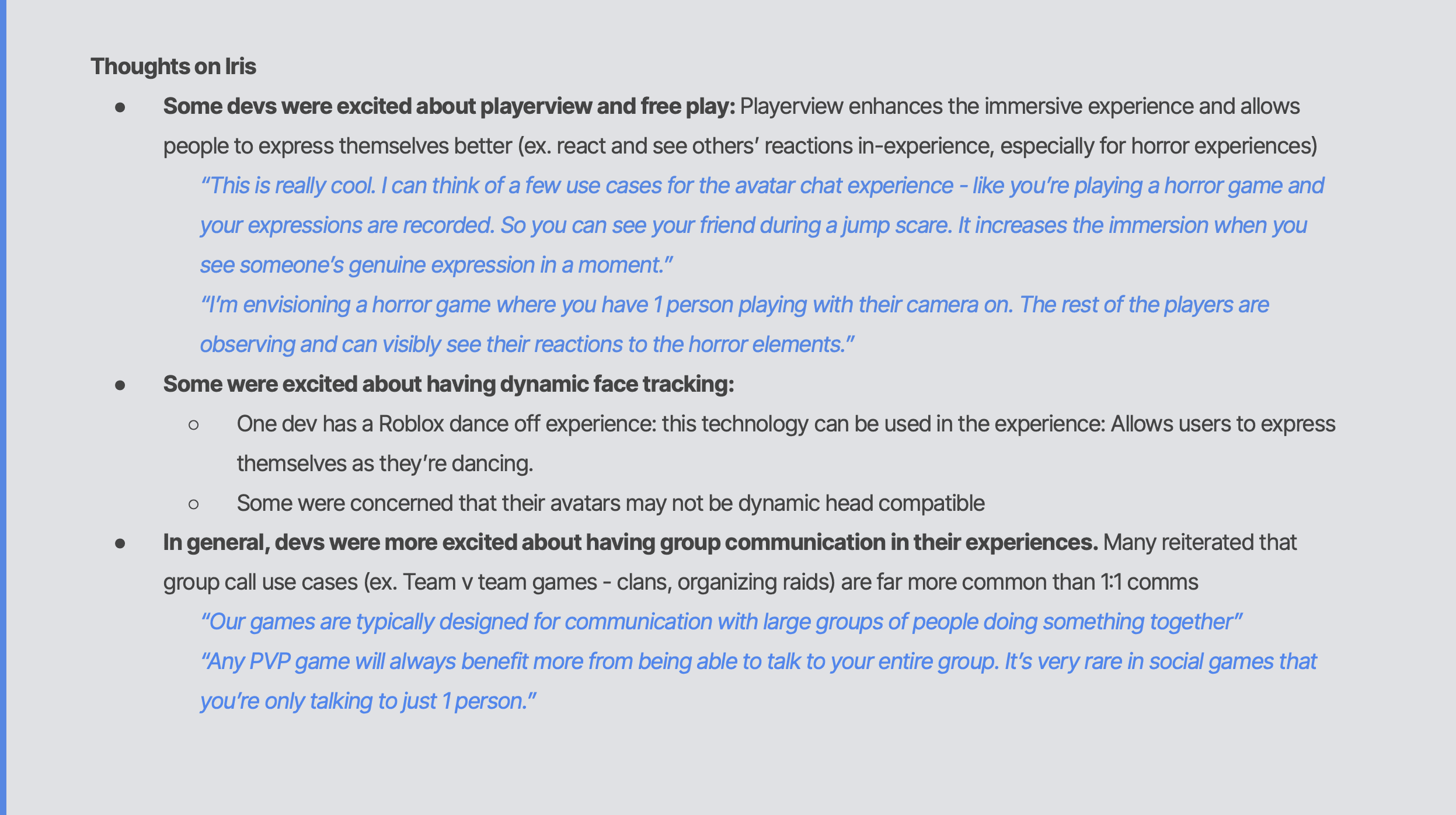
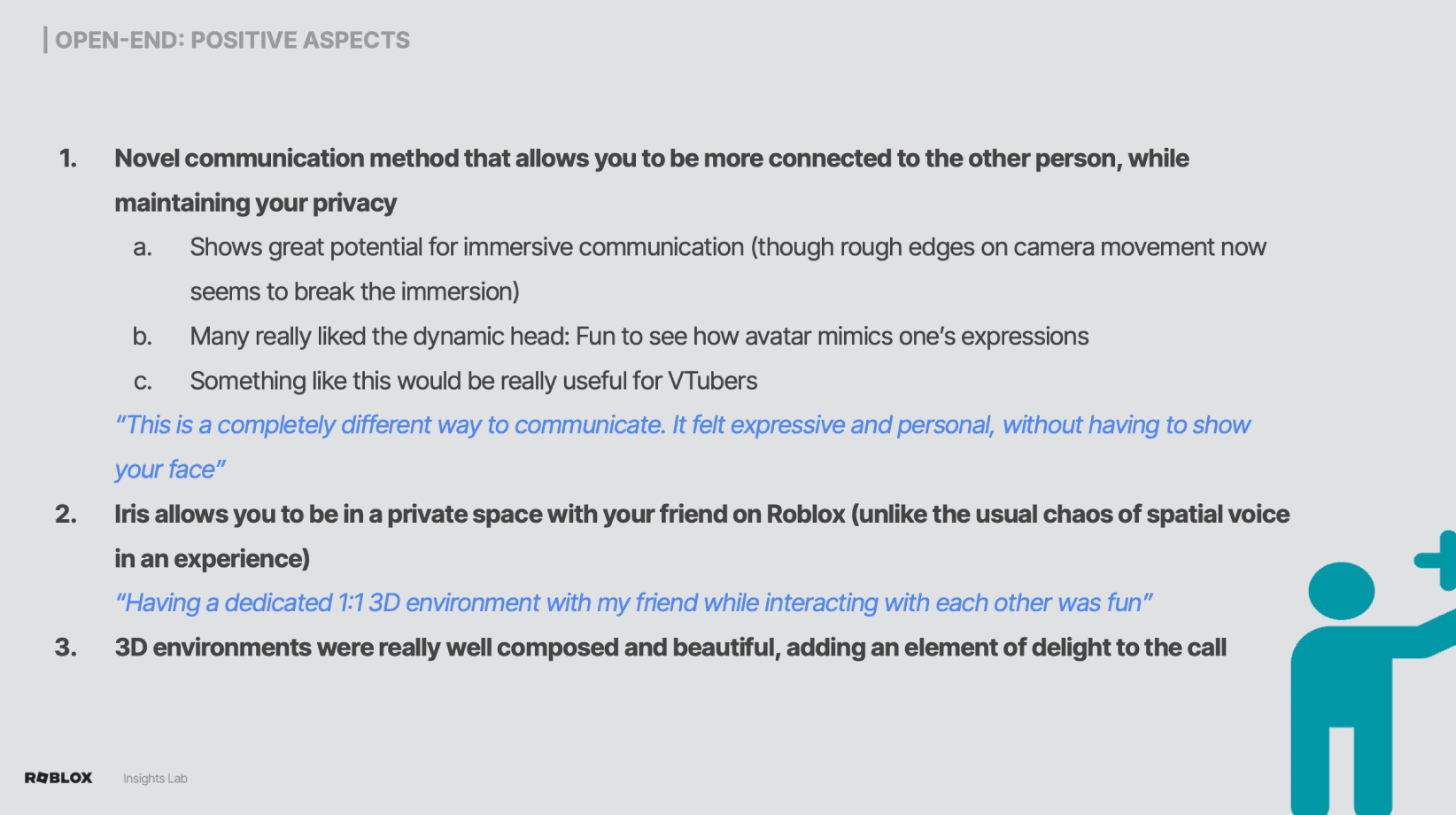
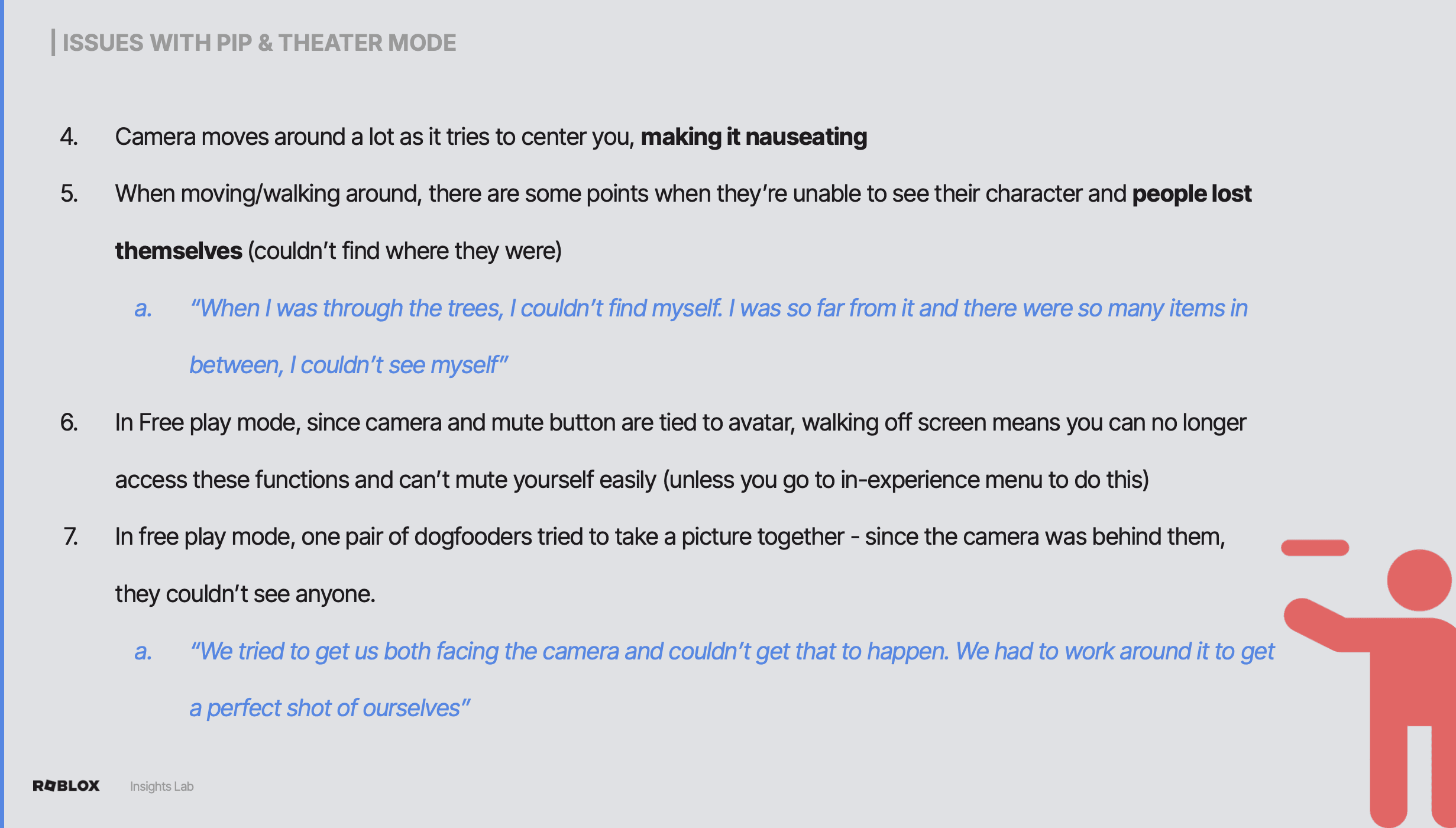
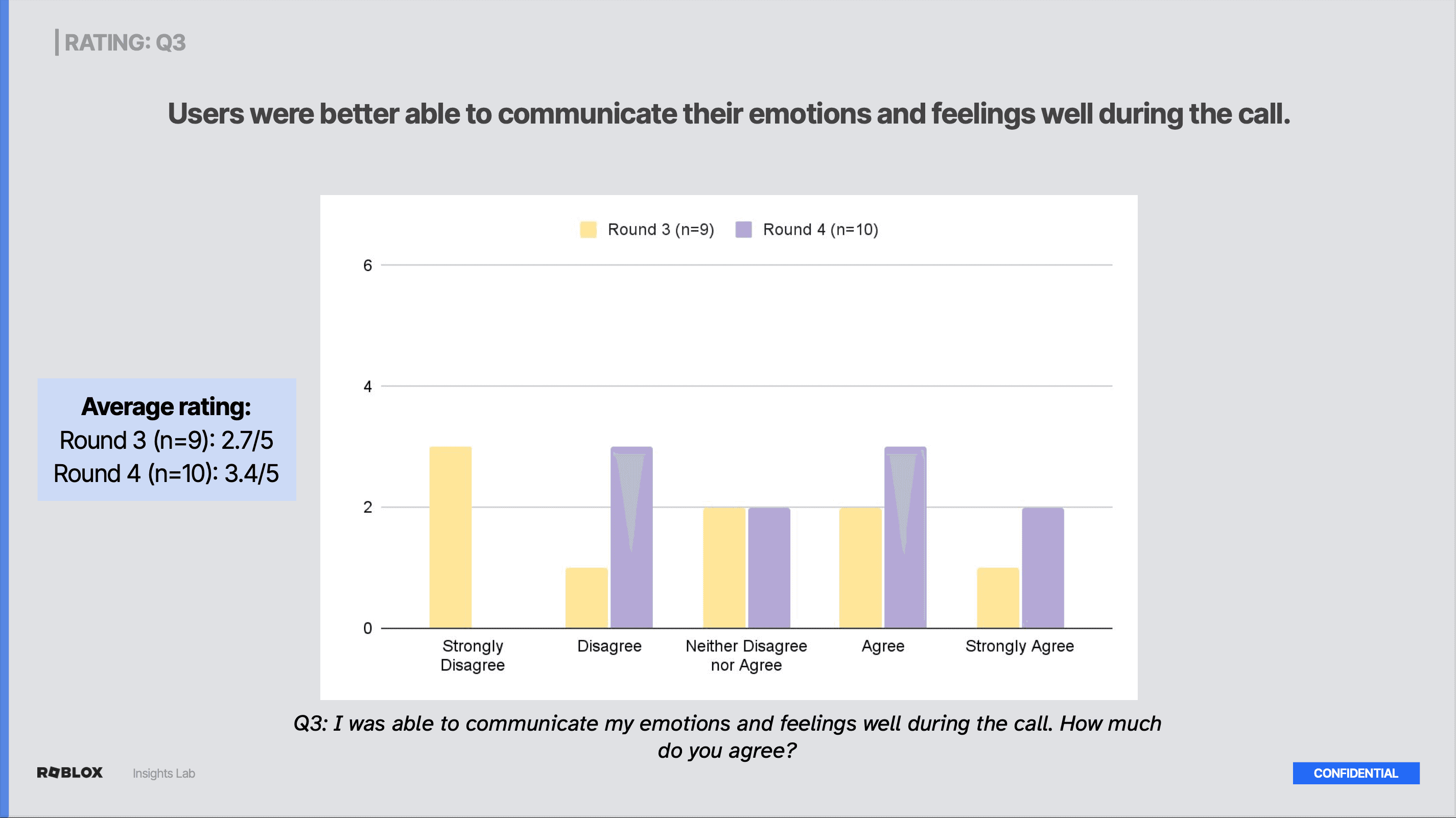
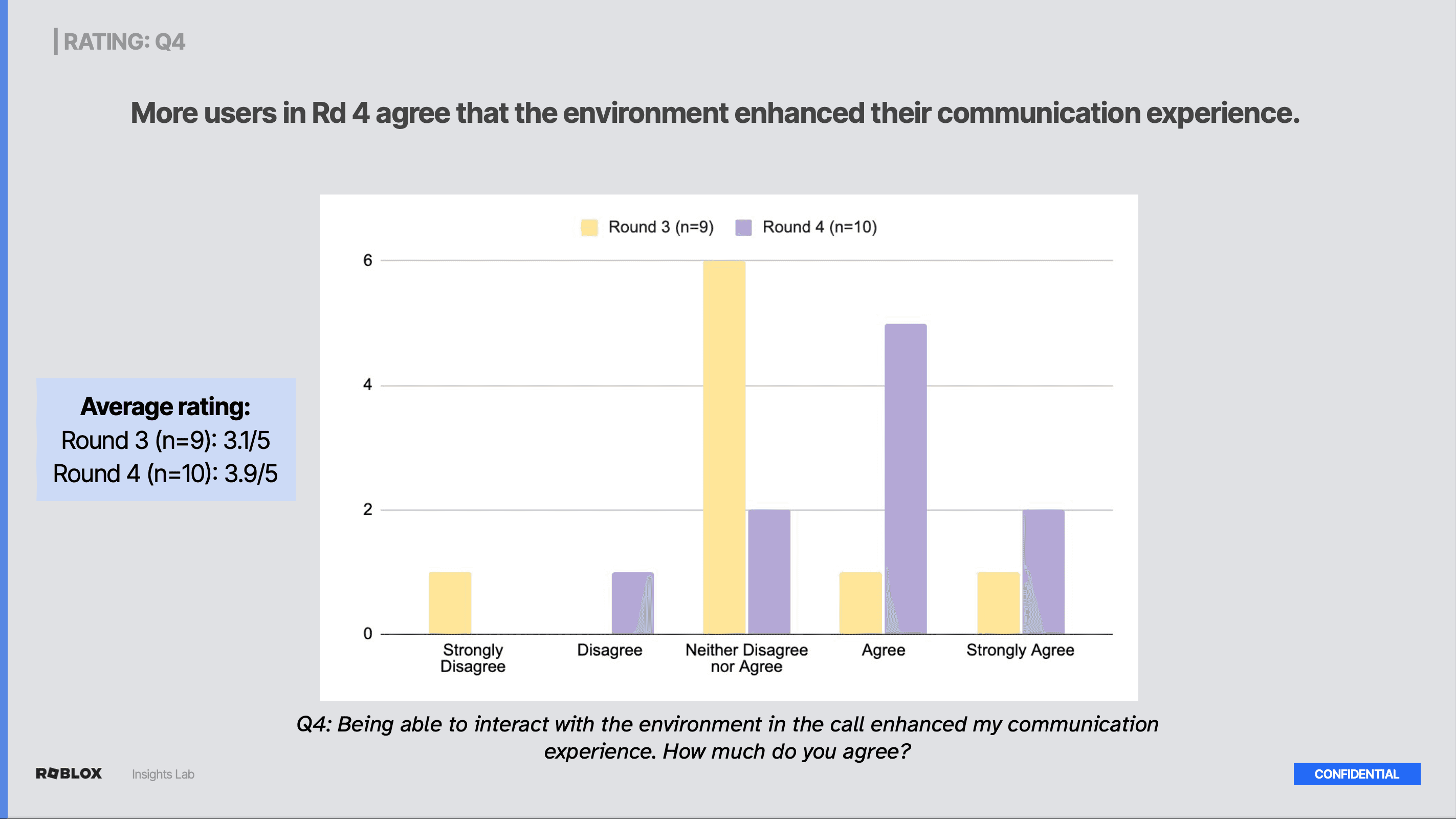
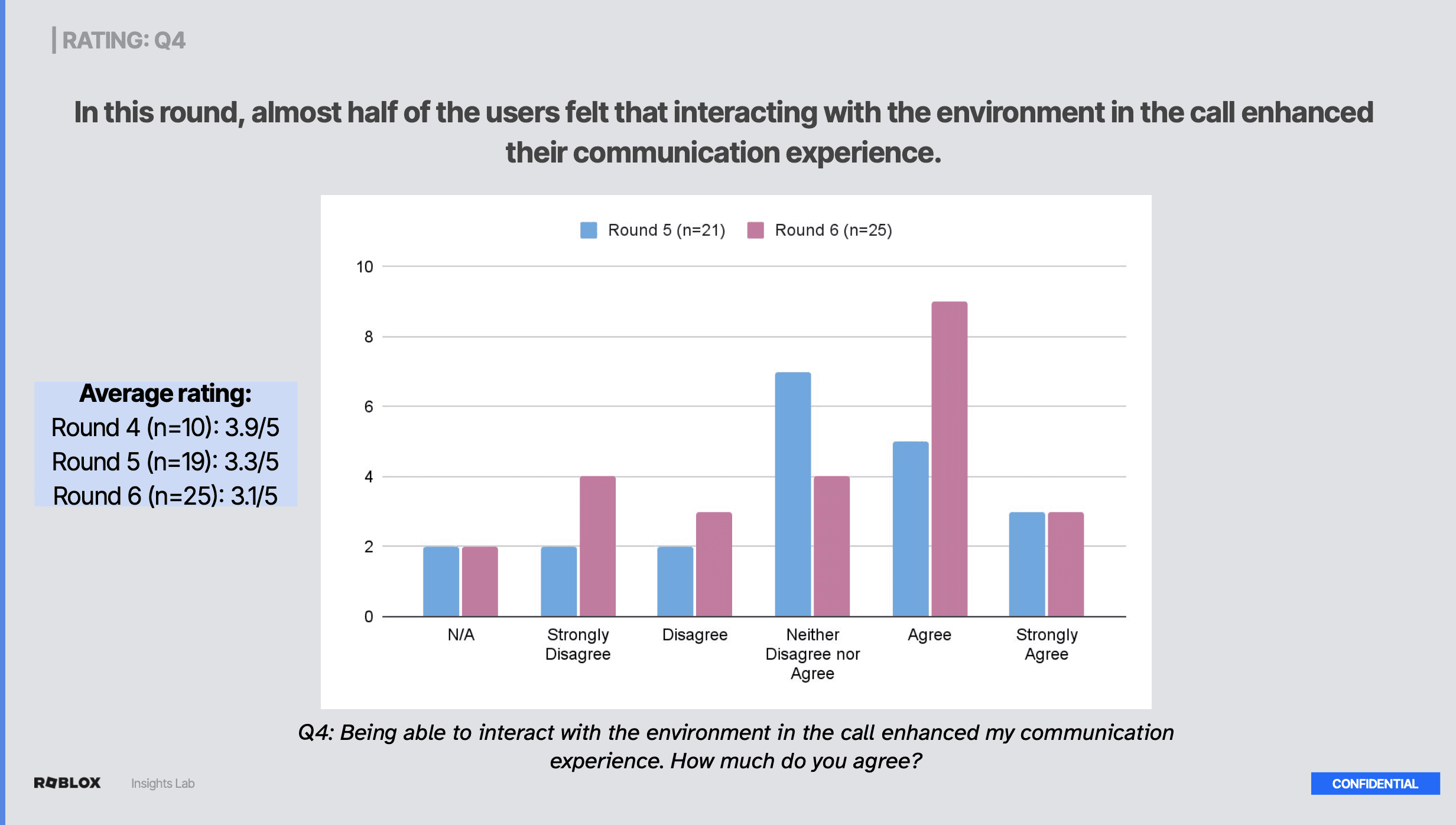
From there, I partnered with UXR to run six rounds of biweekly research with both users and developers. We built questionnaires together, sent out surveys, and held recurring interviews. Because one of our goals was to let developers build their own communication apps on Roblox, we approached the work as if we were developers ourselves. That mindset kept conversations honest. No theory. Just direct feedback about what they needed and what wasn’t working.
These sessions became the backbone of the project. Developers gave straightforward, unfiltered opinions every two weeks. That constant loop helped us cut through assumptions and stay focused on what truly mattered to them, not what we imagined they wanted.

Finding the real direction
My early UI explorations mapped out the basics: host and member flows, entry points, persistence, and notifications. This was the fastest way to surface friction and test patterns. It didn’t take long to see that the direction was getting bloated. The flow was becoming heavier instead of simpler.
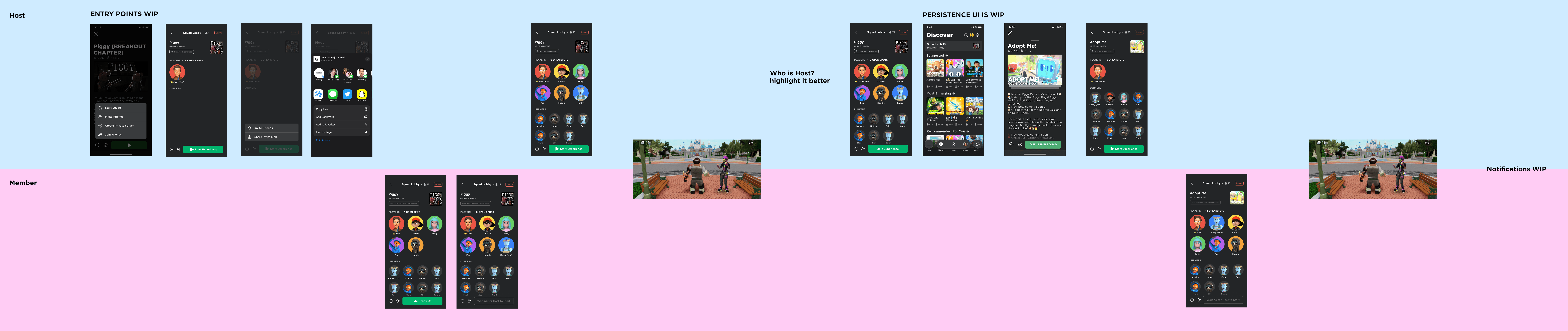
From there I explored squads, grouped calls, and lobby models. I tried everything from experience lists to chat-based entry points. The more I pushed, the more obvious the issue became. These models locked us into rigid patterns that would never scale across Roblox’s ecosystem. More importantly, they didn’t give developers any freedom. We were accidentally building an opinionated social product instead of enabling developers to design their own.
That was the turning point. Calling had to be the foundation, not the entire product. Once we reframed it as an API-first system, everything clicked. Calling became the base layer. Developers could build their own social structures on top. It was the only approach that gave users flexibility, gave developers control, and gave Roblox a scalable model.
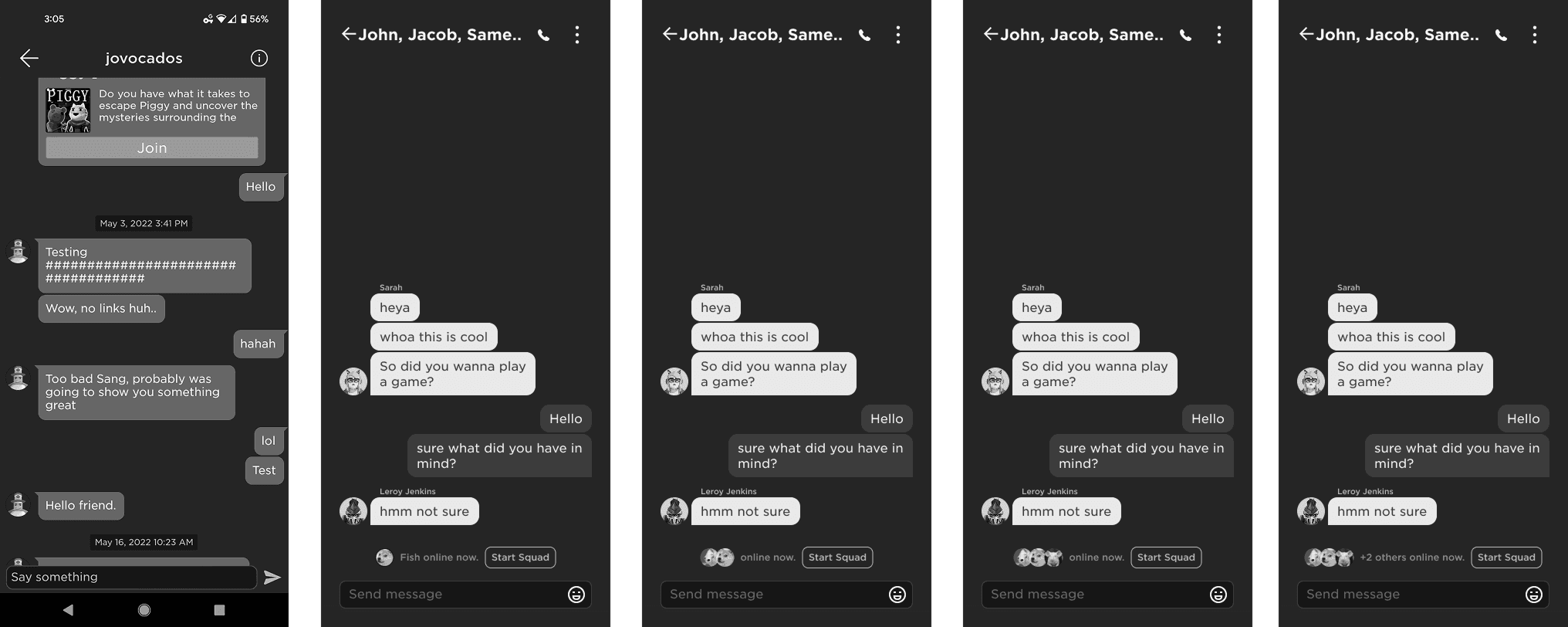

The next step was clarity. The API model was flexible, but that also meant it could become confusing fast. I needed a simple way to show developers what was core, what was optional, and how pieces fit together. The goal was straightforward: make the system understandable without forcing developers to read a novel to get started.
calling into roblox
The first challenge was figuring out how calling should enter the Roblox ecosystem at all. Roblox isn’t a single UI. It is two systems running at the same time. The platform controls app-level navigation. Developers control everything inside their experiences. Designing a calling framework meant working inside both systems without breaking either one.
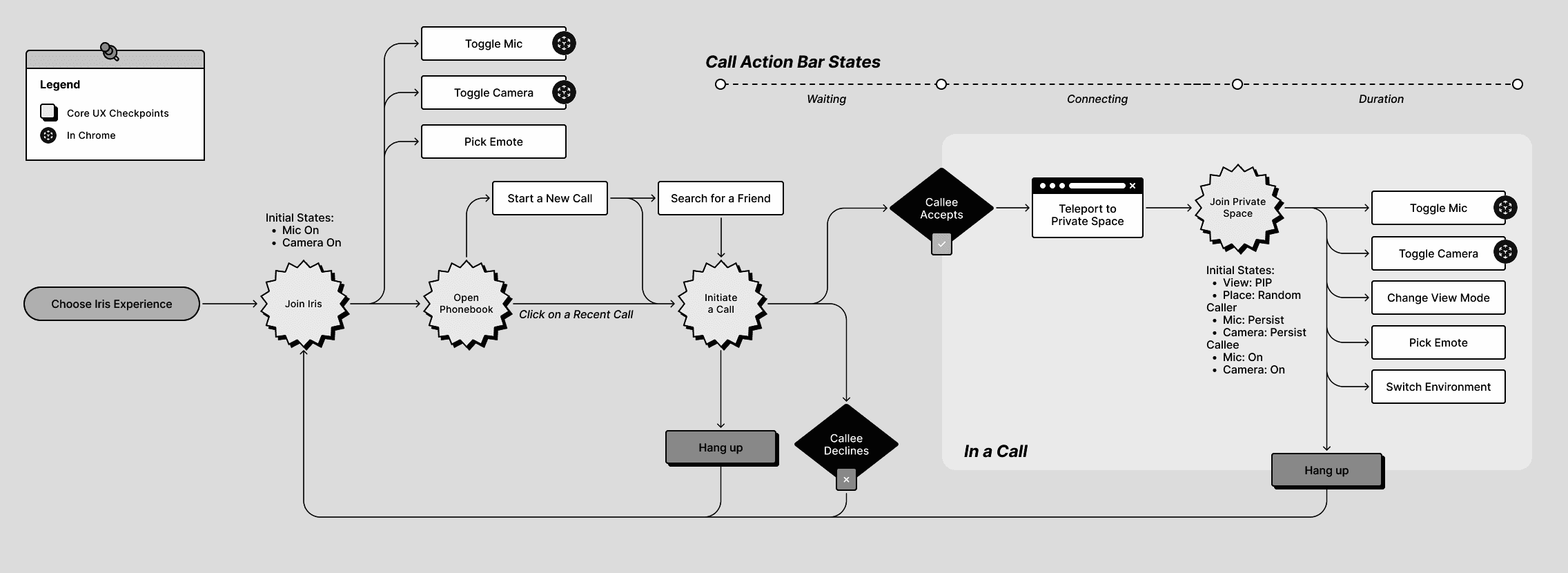
Call Bar Placement and Developer Experiences
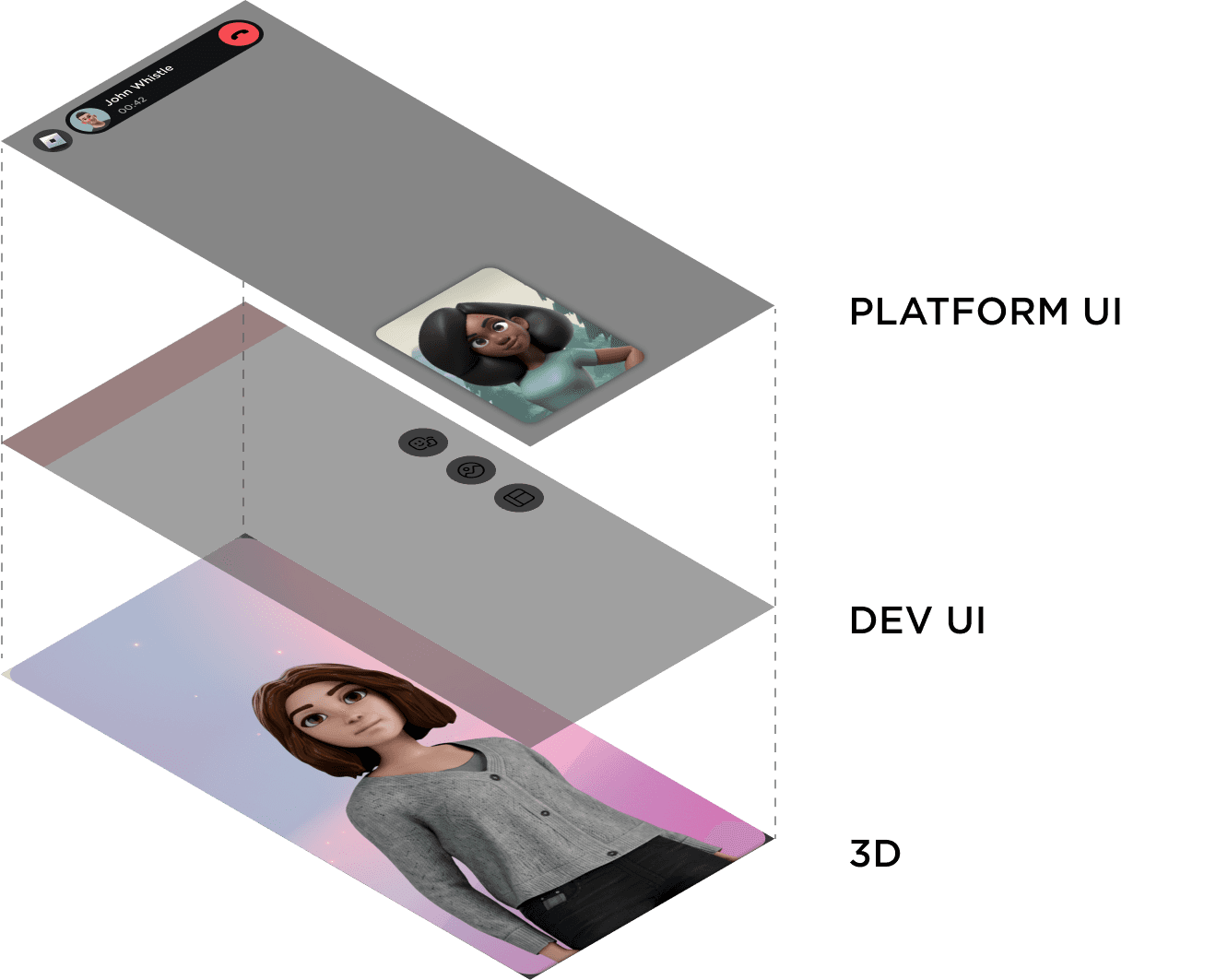
The Call Bar lives in platform space, but developers also place their own Dev UI in the same regions. This created real collision problems where interfaces could overlap and compete for attention.
To fix this, I introduced No UI Zones. When a call is active, these zones prevent developers from putting UI where the Call Bar lives. It protects their layout, protects ours, and keeps the experience predictable for users.
Cinematic Camera
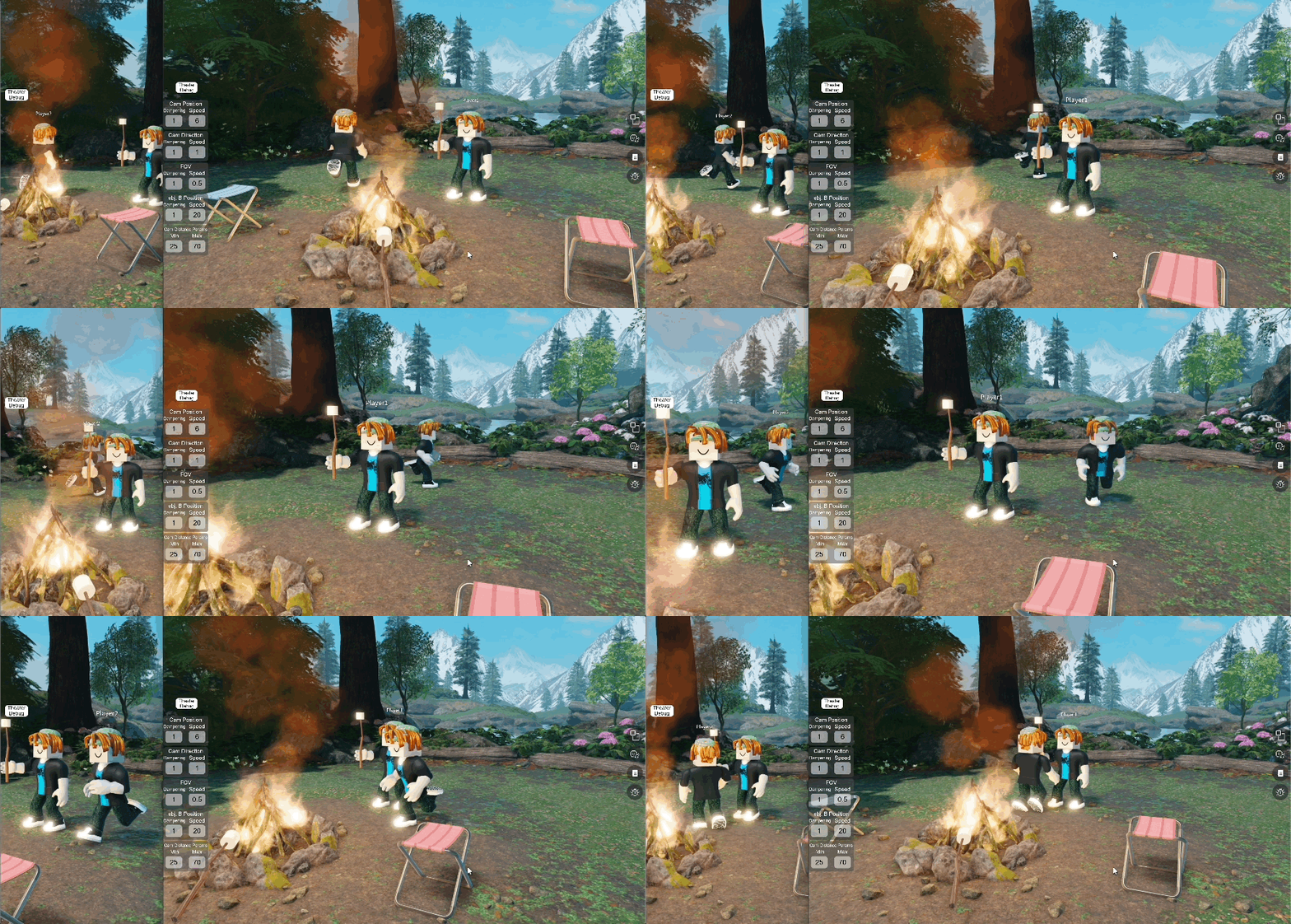
Roblox experiences use a free camera, which makes cinematic moments hard to pull off without custom engineering work. The Cinematic Camera API solves that. It lets developers track multiple actors in 3D space and create immersive shots without writing complex camera logic. The goal was to give developers a tool that made their experiences feel polished without forcing them to reinvent basic camera behavior.
Prototypes
Prototypes were the fastest way to get meaningful feedback and keep the team aligned. Early on, they helped expose bad assumptions and test new interaction patterns before engineering spent time on them.


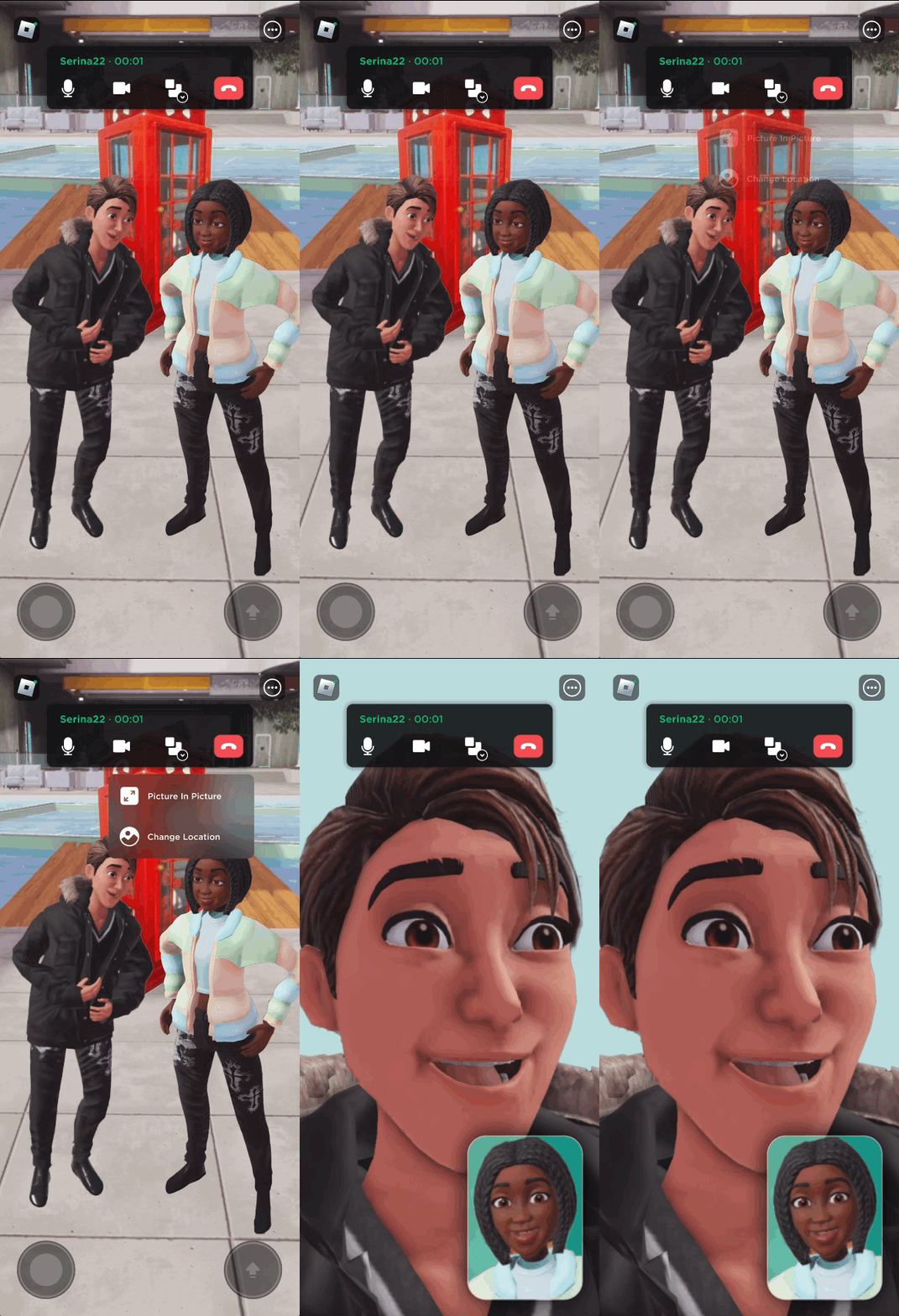
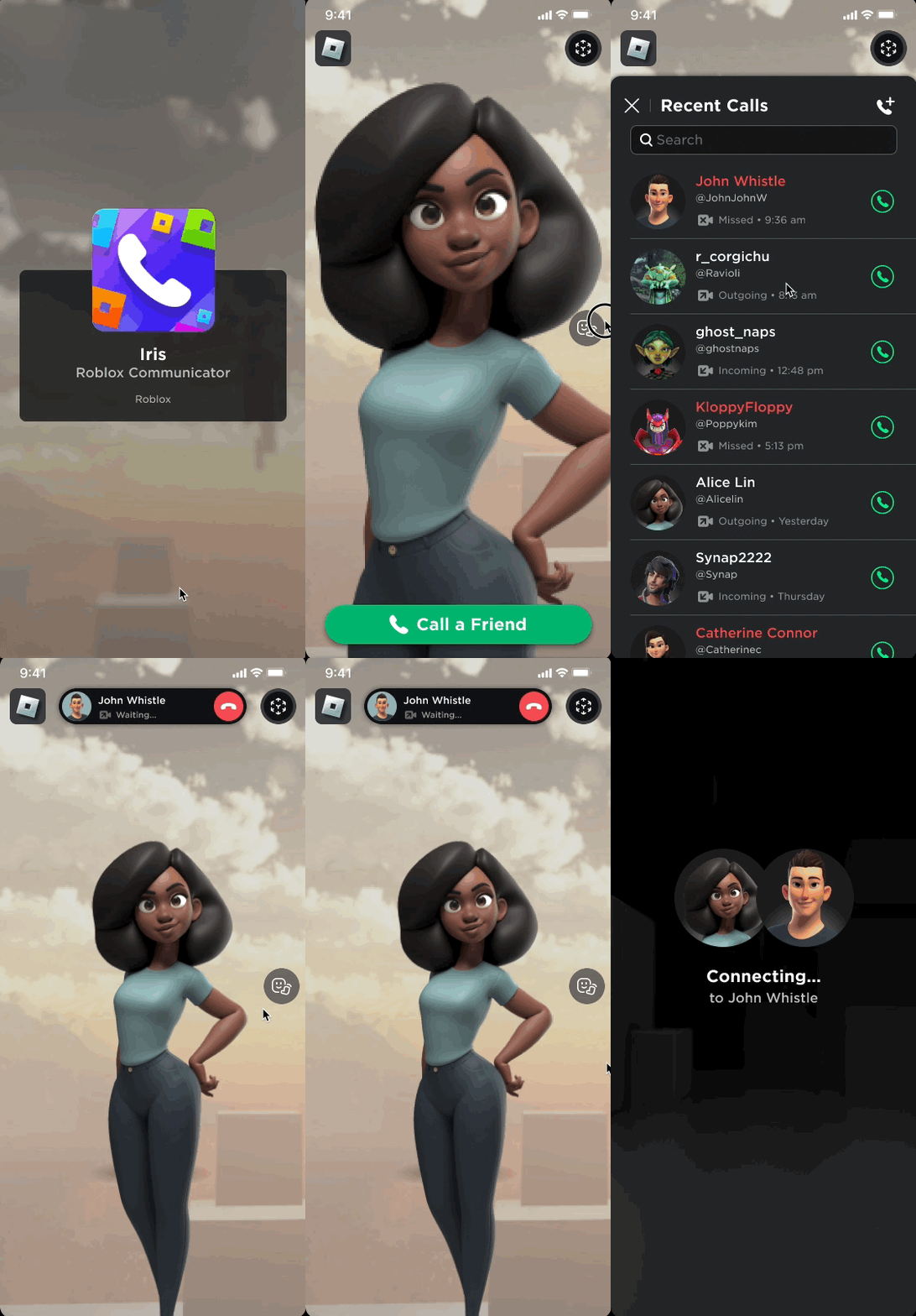
They also made executive reviews far easier. Instead of walking leadership through static screens, I showed them how the product actually behaved. That cut through ambiguity and helped us get faster decisions.
In the later stages, prototypes became a communication tool for engineering. They clarified edge cases, transitions, timing, and interaction details that would be hard to explain in documentation. This helped keep build quality high and reduced back-and-forth during implementation.
DogFooding
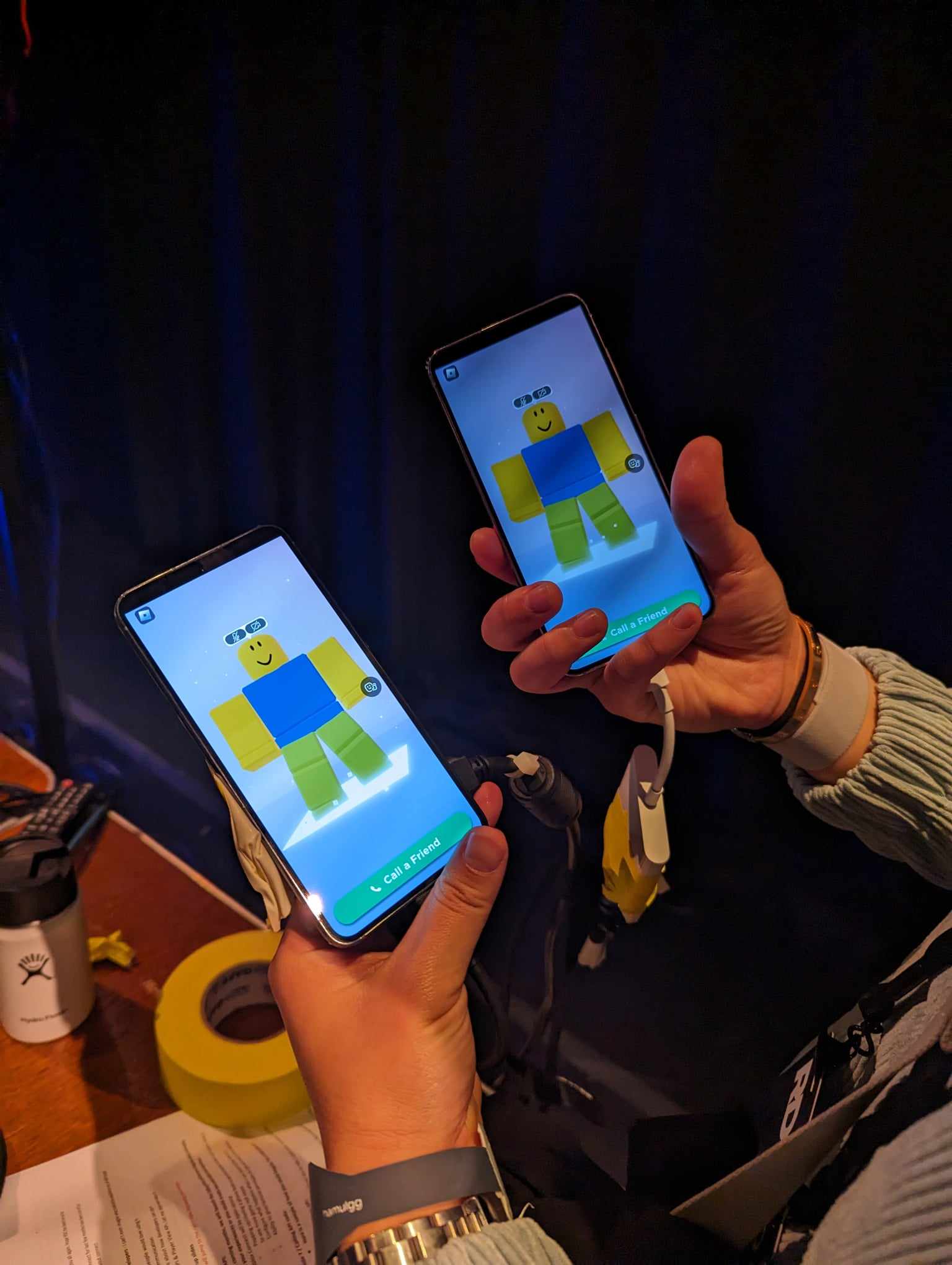
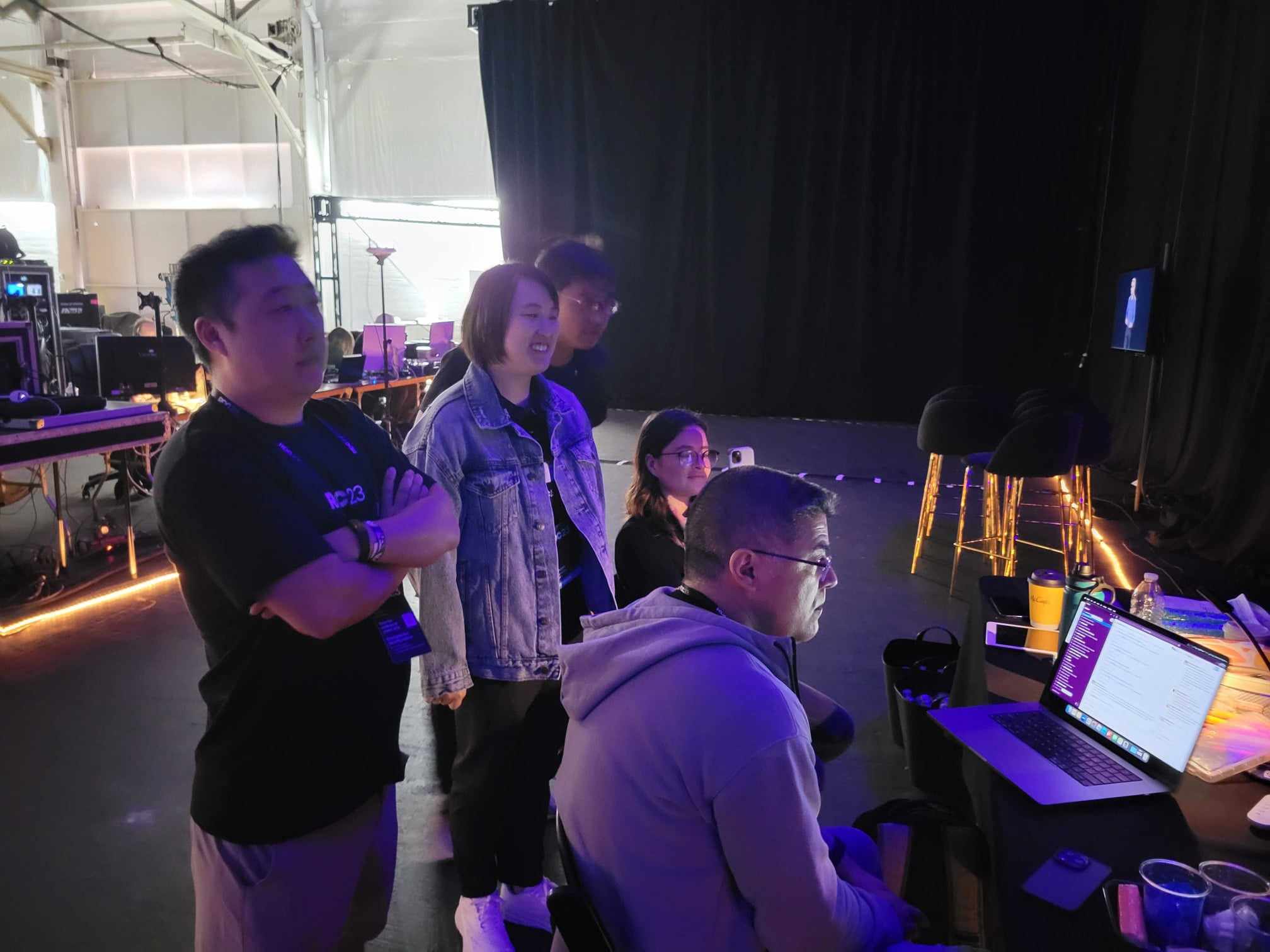
One of Roblox’s core values is to take the long view. Our team didn’t have that luxury. We had a fixed launch date for RDC 2023 and an aggressive engineering schedule. The only way to hit the deadline while keeping quality high was to open up the work early and let the entire company test it and tell us what wasn’t working.
We started bi-weekly open dogfooding sessions where anyone at Roblox could try the builds or prototypes and give direct feedback. Showing the work early forced us to fix real issues instead of polishing around them and helped build genuine alignment across teams.

The Outcome
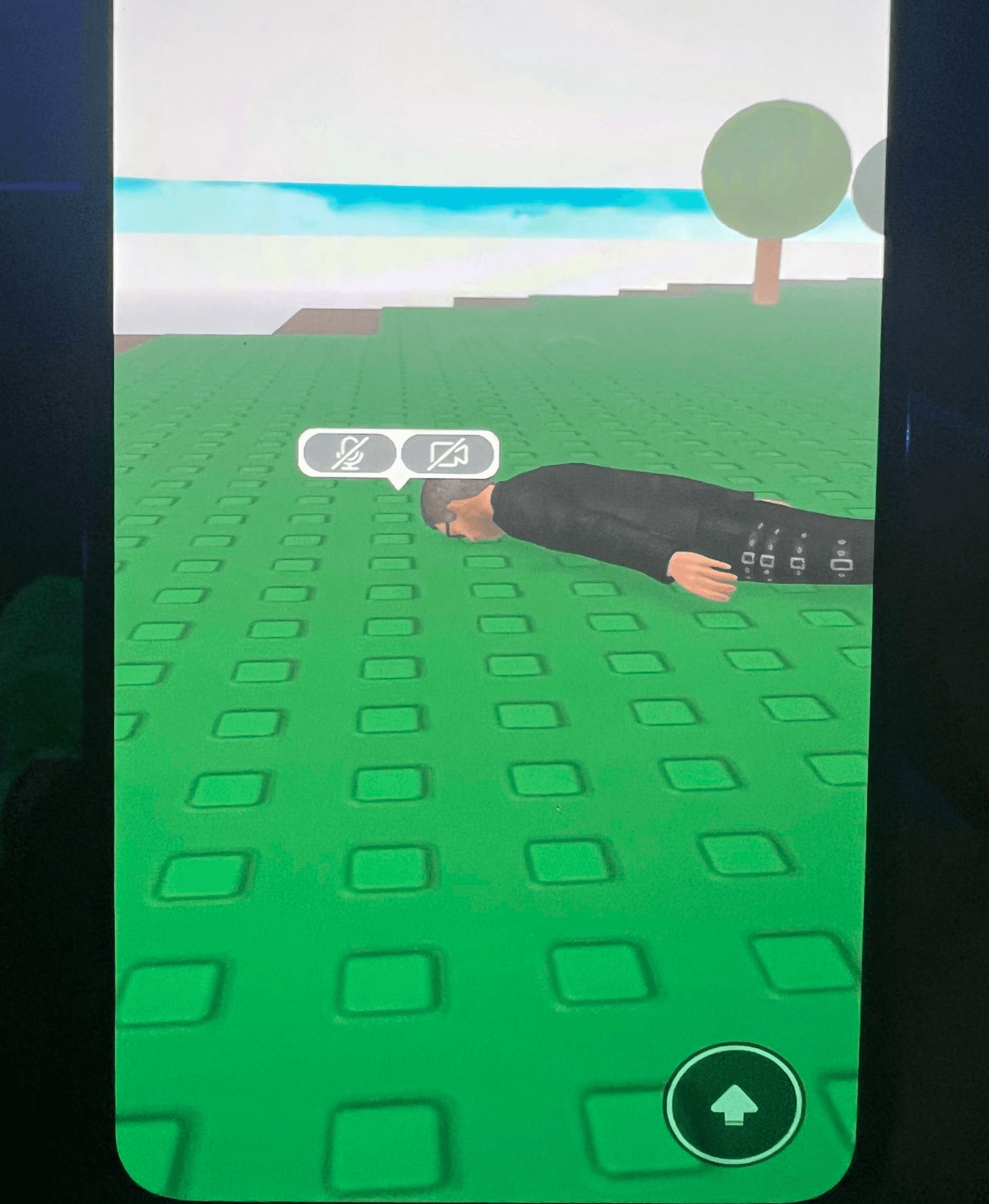
By the end of this work, calling became more than a feature. It became a system. Developers got a clear structure for how calling behaves inside their experiences. The platform stayed consistent. And users got a more immersive, expressive communication model that translates real-world movement into the avatar world.
The Execution
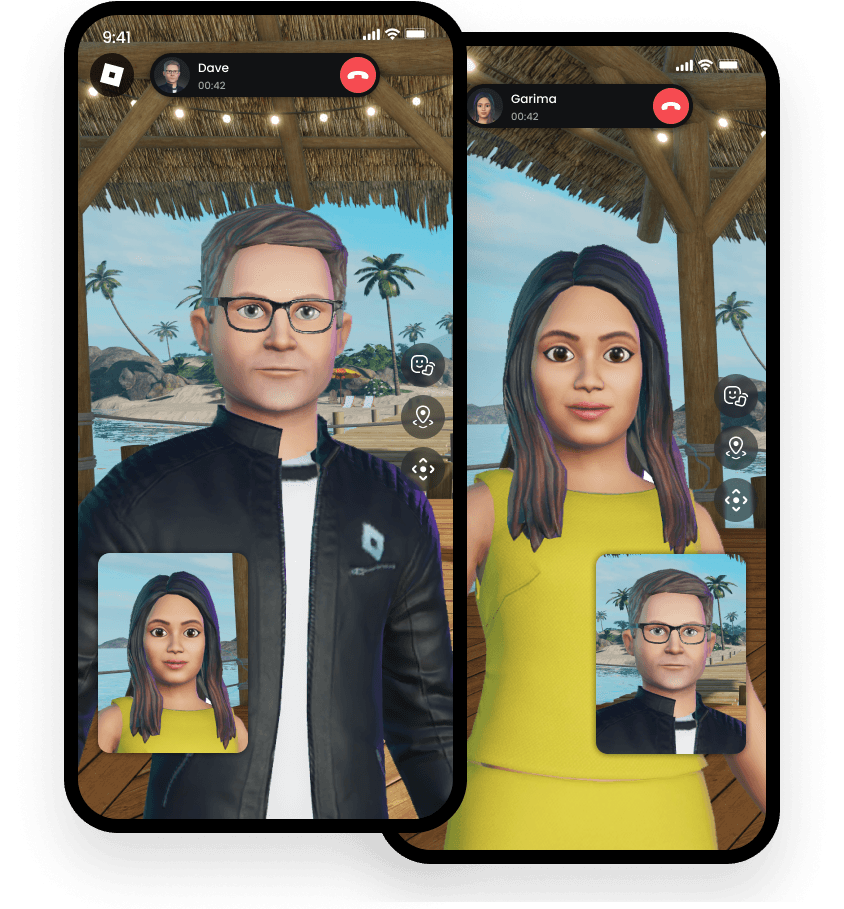
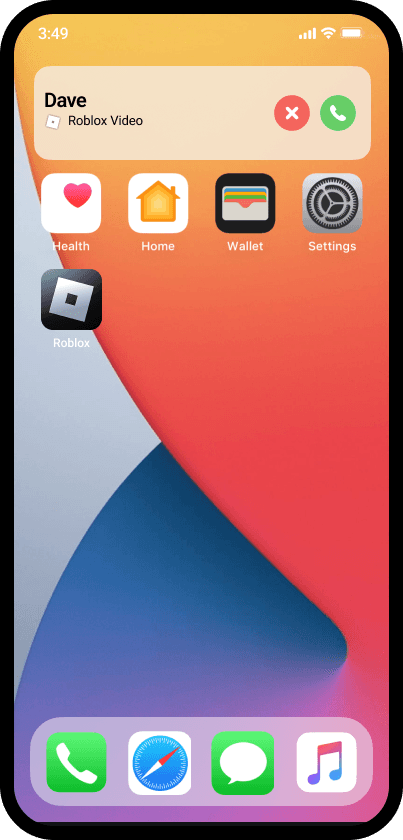
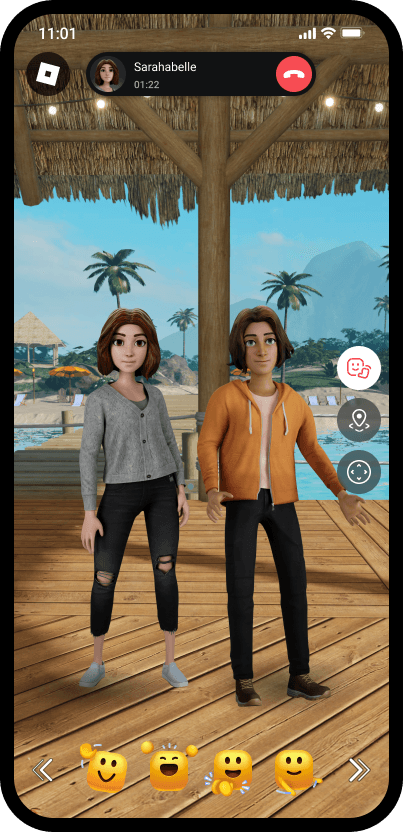
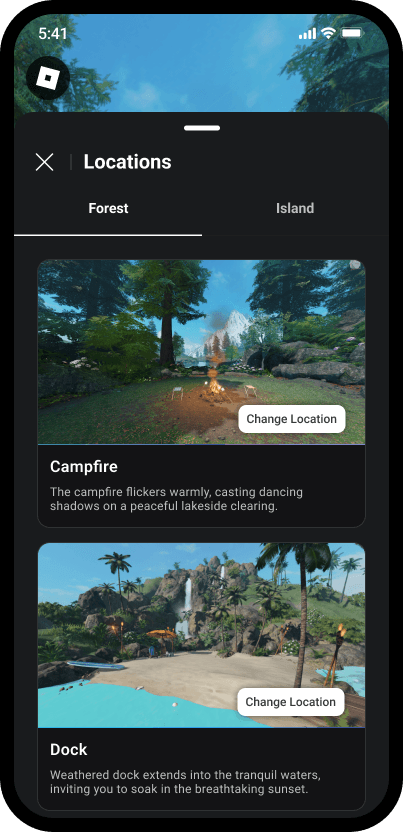
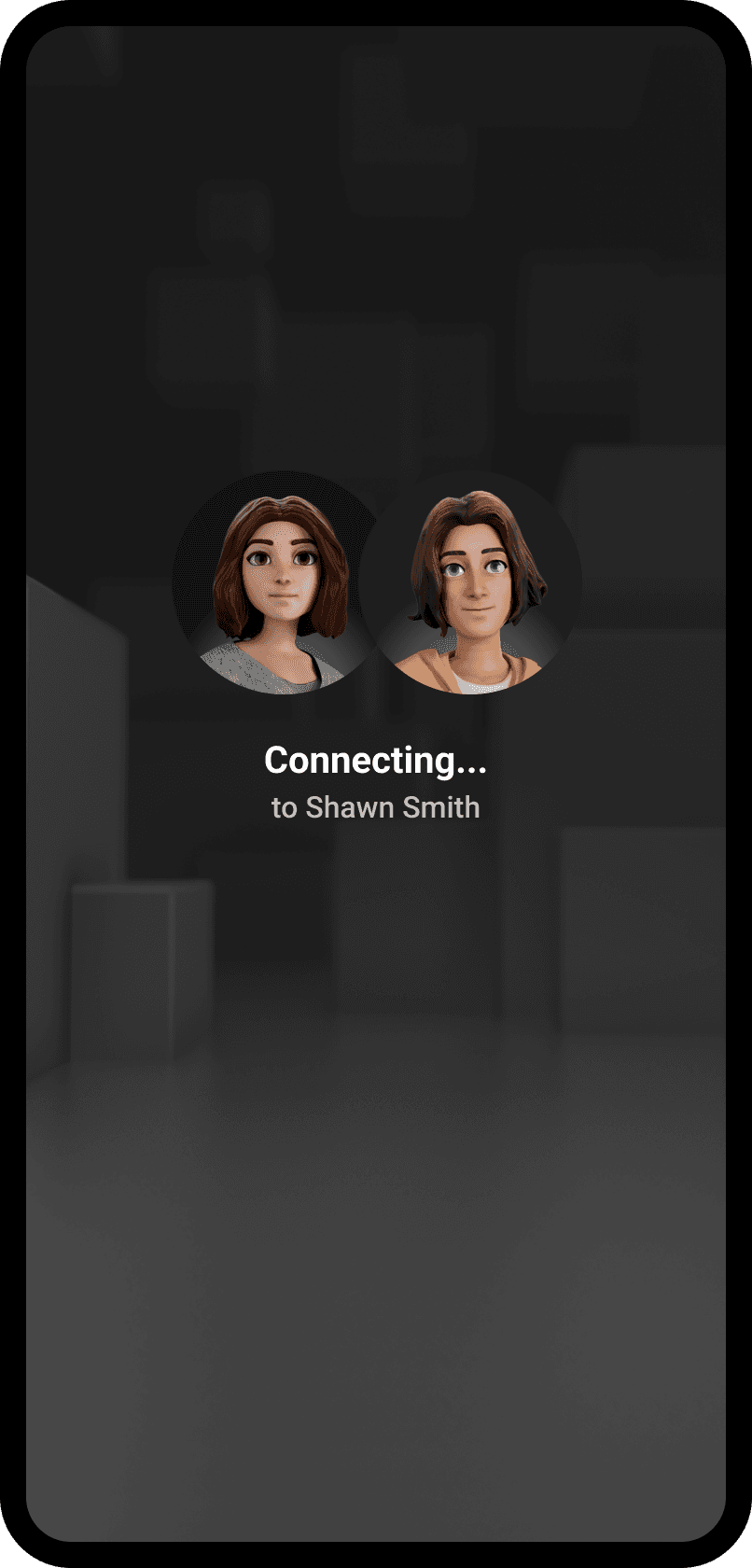
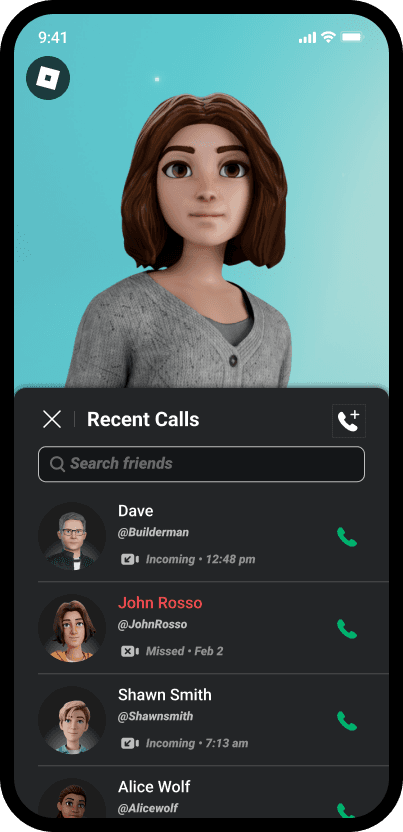
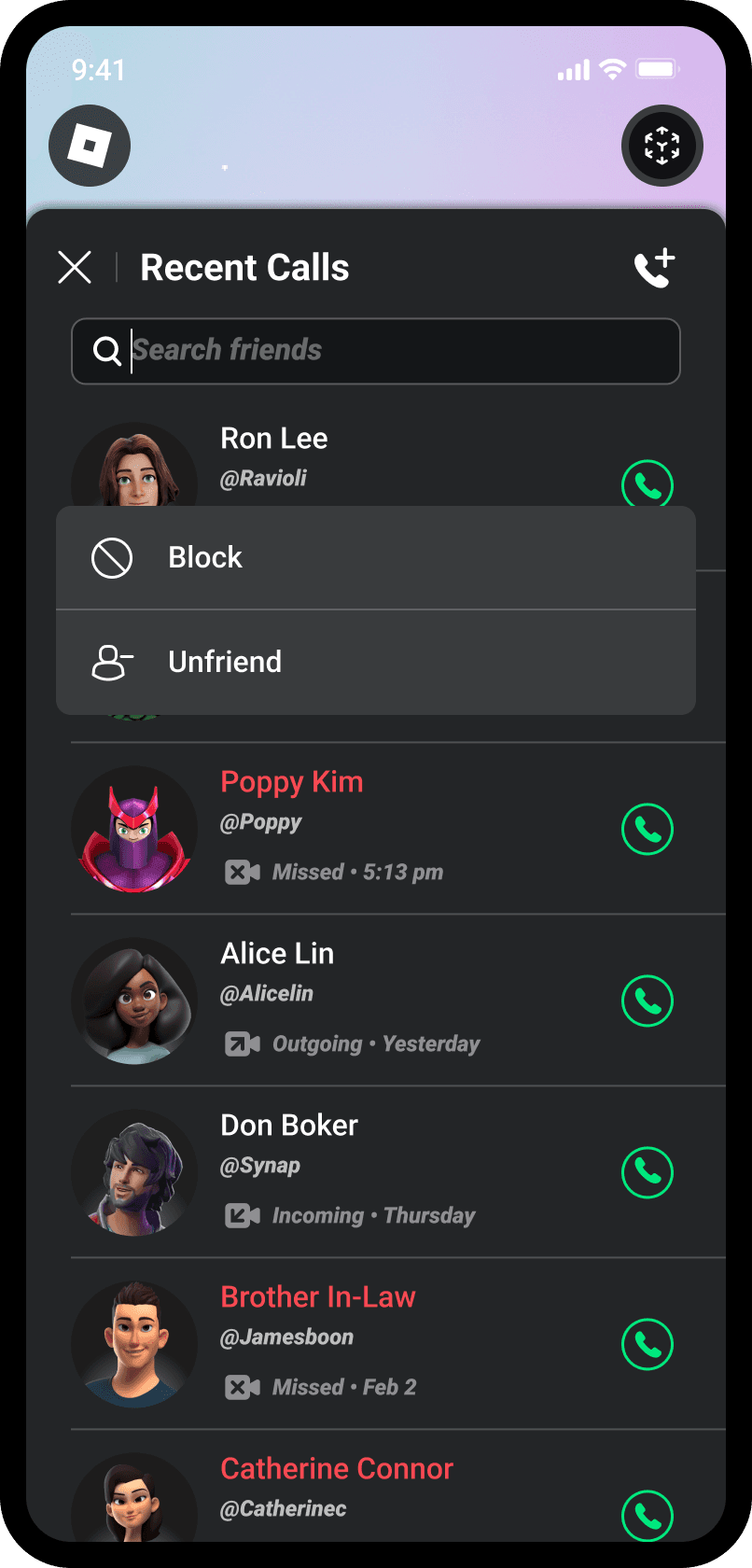
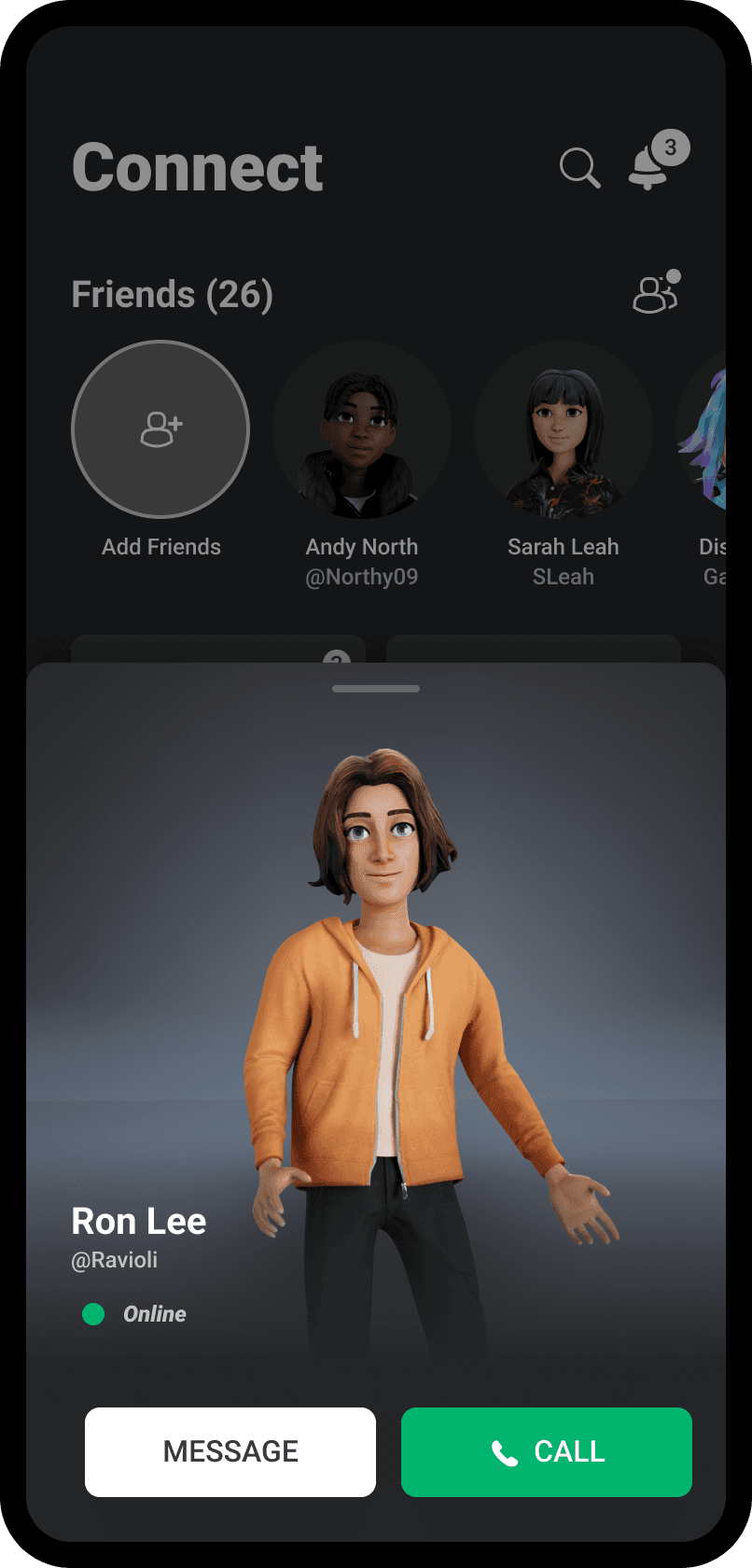
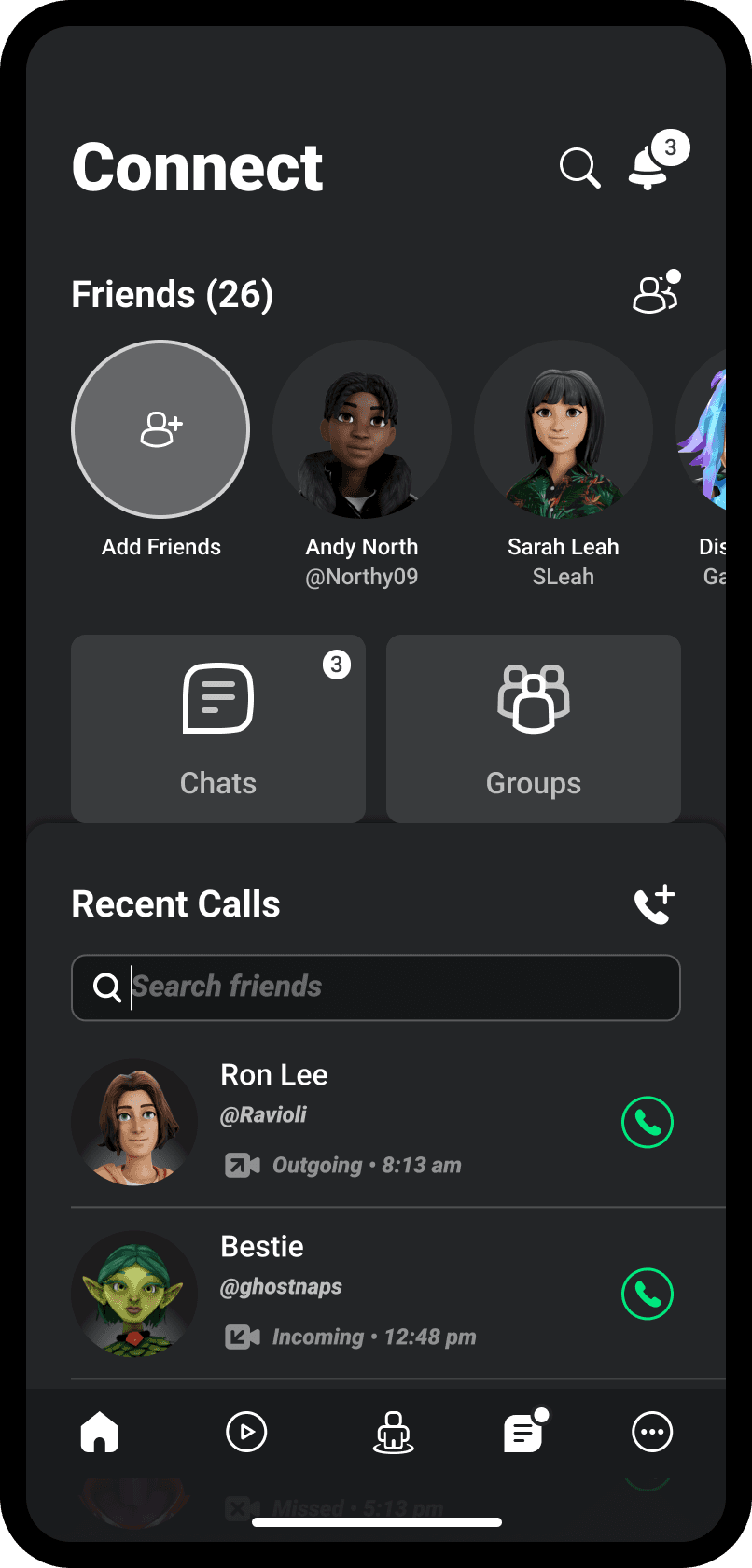
Roblox Connect makes it easy to connect and socialize with friends wherever they are. Users can call a friend on mobile, desktop, or web and interact with each other in an immersive experience powered by the same calling framework developers can use in their own experiences.
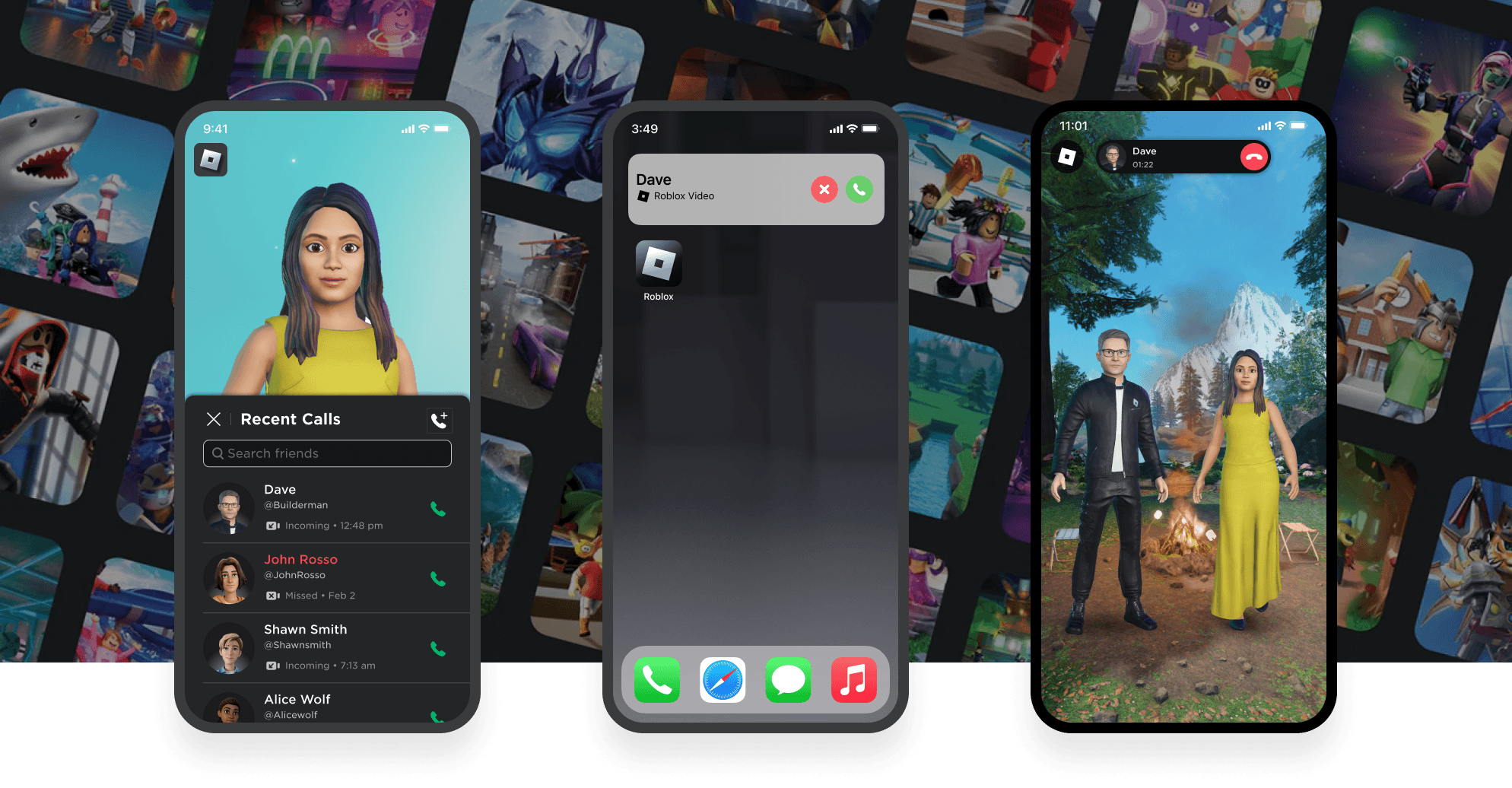
Gallery of Roblox Connect.
The launch
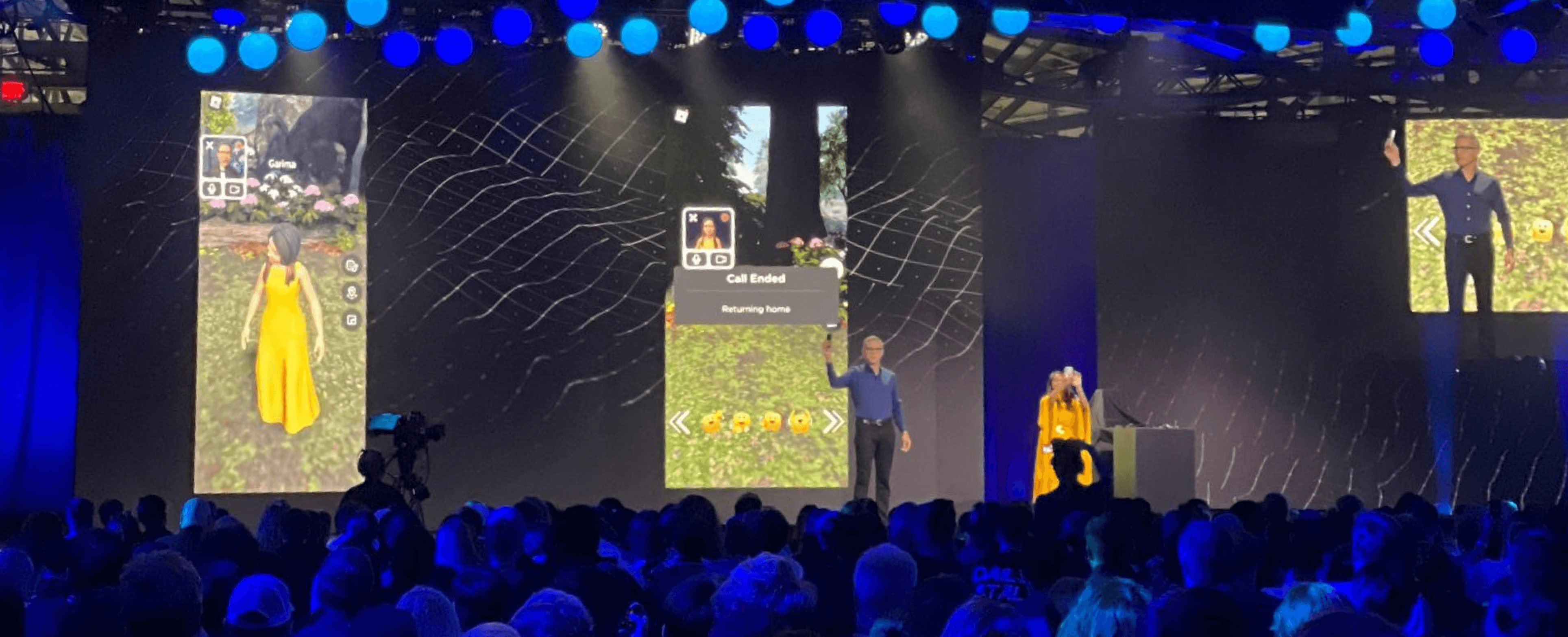
Robolox Connect debut
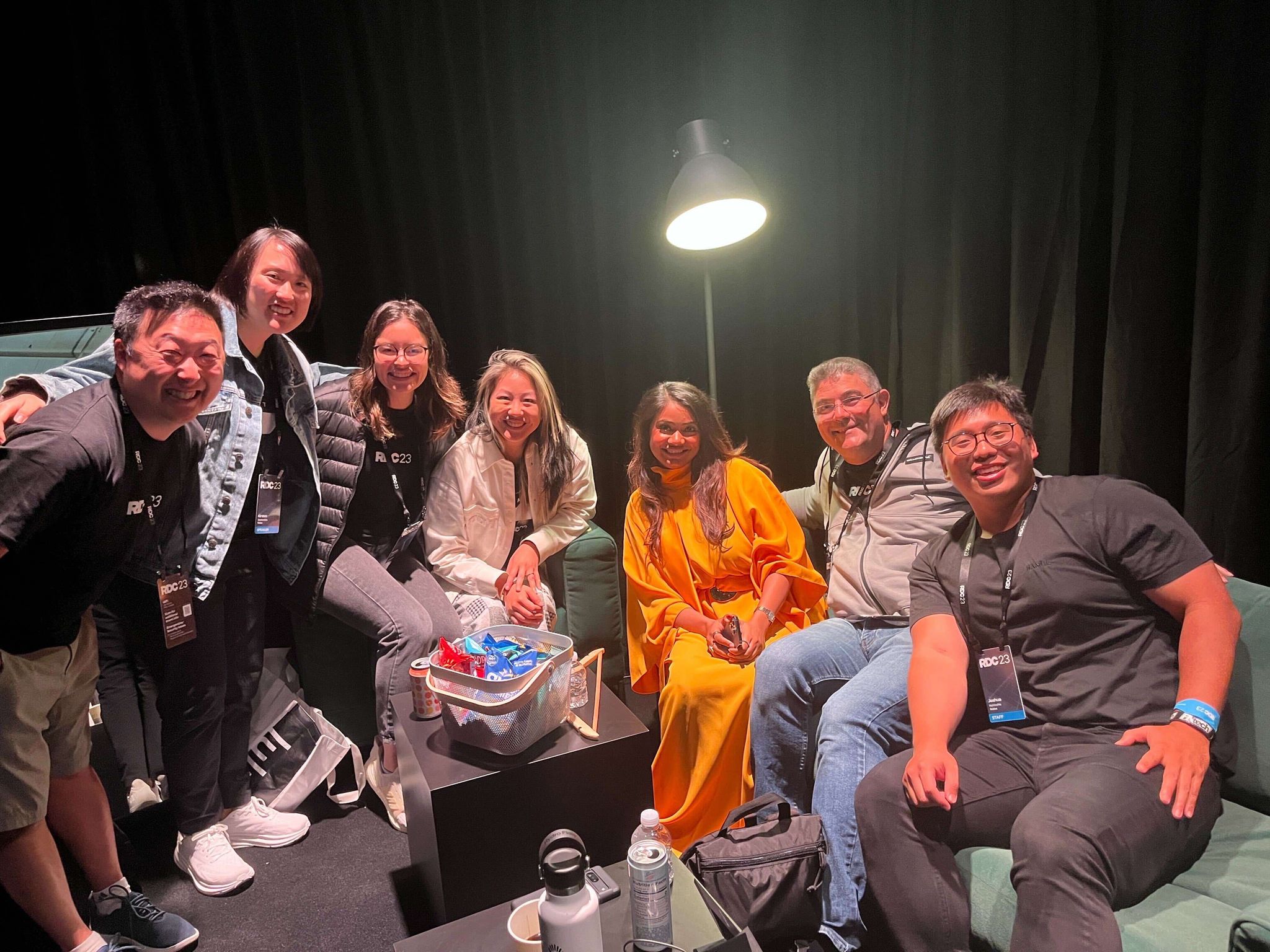
Roblox Connect debuted at RDC 2023 as one of the keynote features.
Seeing Results
We launched in November 2023 on iOS/Android, Desktop PC, and Web.
16.4M
VISITS
250k
DAILY ACTIVE USERS
107k
ROBLOX FAVORITES
137
EXPERIENCES USING CALL API
4 min
AVERAGE CALL LENGTH
1.5m
TOTAL CALL MINUTES
Featured
Project Learnings
Building Bridges
Working with developers taught me a lot. They are direct, technical, and they know exactly what they want. This was one of the first projects where the audience wasn’t guessing. They had clear expectations and strong opinions. Staying open and listening without getting defensive helped me align our goals and avoid designing in a vacuum.
Some developers were unhappy with our APIs. The frustration wasn’t about the APIs themselves. It was about Roblox investing in social and communication tools instead of the game-specific features they wanted. They made their feelings known on social media, and none of it surprised us. We heard the same concerns during our interviews.
We responded by publishing clear documentation and educational material as fast as possible. We also opened up channels so developers could submit feedback and get direct answers. That didn’t solve everything, but it helped shift the conversation. These discussions are still ongoing, and they continue to shape how we think about communication, expectations, and trust between Roblox and its developer community.
Long term vision
Roblox Connect was never meant to be the final product. It was the foundation. The work established the technical and experiential groundwork for what eventually became Roblox Party, the system that allows users to group up, message, and voice chat across the multiverse. Connect proved the model, the technology, and the user experience. It set the stage for the future of social presence on Roblox.
